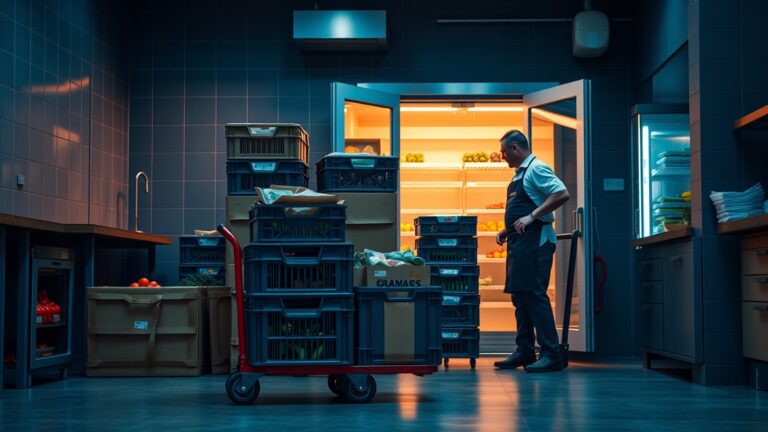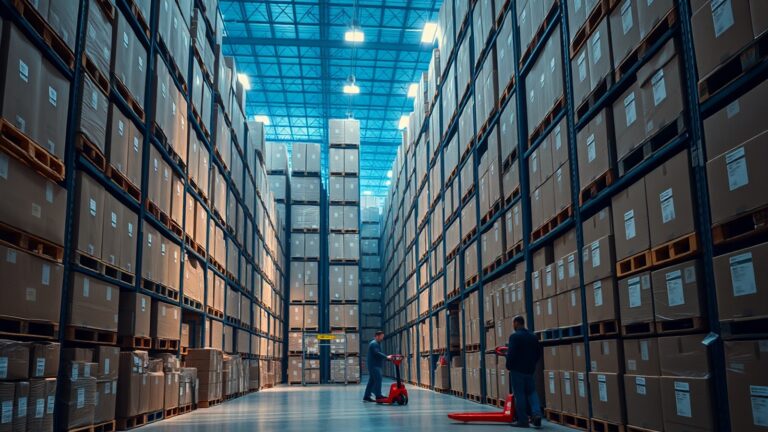

“The product carries a thirty-percent margin on paper — after reconciliation it is ten.” That is the standard reaction of Taiwanese sellers the first time they take returns seriously. Everyone computes the outbound costs — freight, duty, storage; far fewer put “after it comes back” into the margin model.
A return has exactly three exits
Once a returned unit reaches a US warehouse, three roads exist:
- Inspect, refurbish, restage: units intact or lightly recoverable get inspected, FNSKU-relabeled and repacked back into sellable stock. Highest value recovery, all manual — economic when the unit price carries the labor
- Liquidation: units no longer sellable as new but fully functional move through discount channels for fast partial cash — and stop burning storage
- Disposal: units not worth refurbishing, or carrying safety and compliance doubts, get destroyed on site — a processing fee buys a clean stop-loss
The intuitive fourth road — “ship it all back to Taiwan” — is almost always the most expensive: another international freight bill, another import clearance, and what lands is still unsellable goods. Genuine return-to-origin candidates are high-value, repairable items — and when originally-imported goods re-export, remember duty drawback claws back part of the duties paid.
Refurbishment in practice
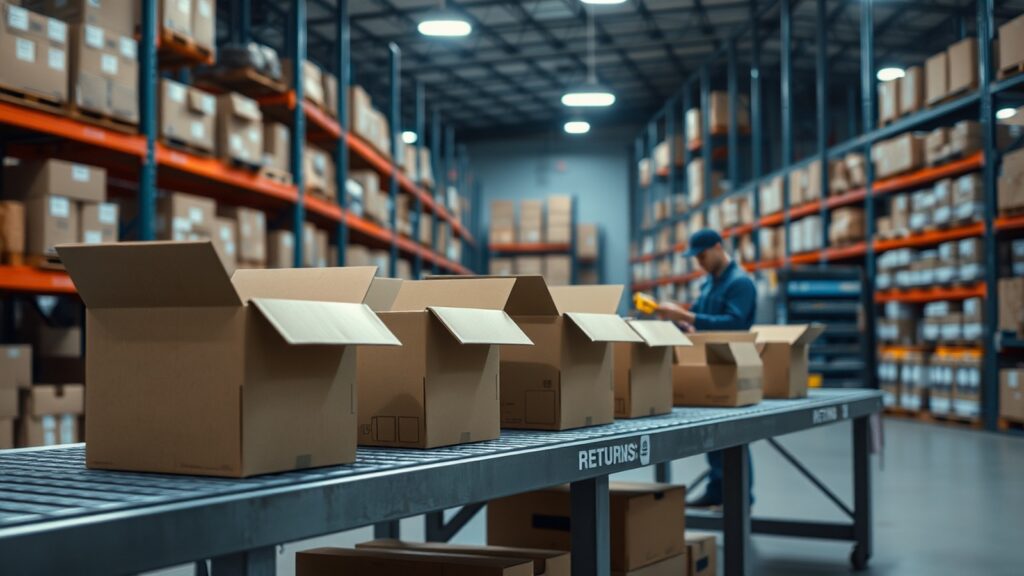
Refurbishing is a sequenced line, not a wipe-and-restick: grading first (restageable / liquidate / write off — criteria in writing beforehand, never left to warehouse-floor judgment); then FNSKU relabeling — return labels arrive defaced, or stock moves to a different listing or store and needs recoding; finally repacking with accessories and inserts made whole before anything returns to a “new” shelf. Which SKUs deserve the line comes down to unit price versus labor per touch — draw that line yourself.
Disposal is not the dumpster
Disposal needs records: item, quantity, method, date — the inventory write-off evidence your books and taxes require. Battery-bearing and aerosol categories carry environmental-handling rules and higher fees. Make the certificate of destruction a deliverable; disposal without paper is inventory vanishing into thin air.
High-return categories re-price or die
Apparel and footwear return at structurally high rates — reverse logistics there is not an incident but a standing cost: price it as return rate × per-unit reverse cost, straight into the margin model, not absorbed later as miscellaneous. And decide the landing point when you choose your first-leg mode: sellers running direct-FBA-only with no outside warehouse find removed inventory has one exit — destruction — and no negotiating room. The warehouse network’s role sits in the LA/Oregon strategy article.
Agree the rules before the goods ship
SKYCARGO INC’s Los Angeles and Oregon warehouses take returns processing end to end: grading, FNSKU relabeling, repacking, liquidation and disposal arrangements. For grading standards and per-step pricing, ask us for a quote. (Personal shipments: Shiptw.)
State environmental rules and platform return policies update continuously. This article covers the cost logic; current policies and quotes govern. Reference only.