
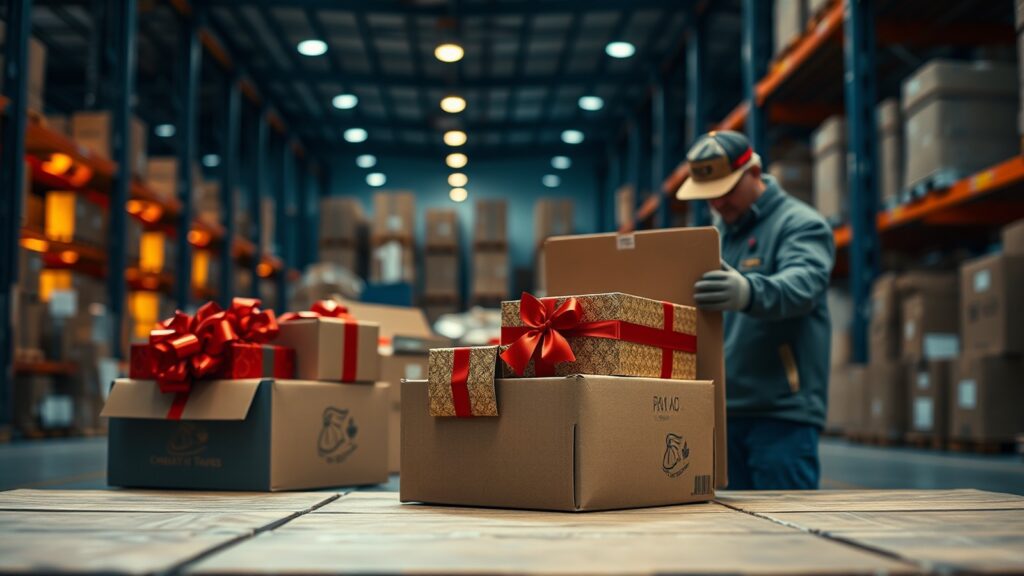
Every October the same call arrives: “Our Christmas gift boxes are ready — can we make Thanksgiving?” The answer usually breaks hearts: you can make America’s ports, not America’s shelves. Gift sets are the most time-brutal category there is — consumers buy only in the window, retail receives only before it, and a box that misses the intake window waits for next year. So gift-box exporting starts with a calendar written backward.
Three seasons, three deadlines, computed backward
The US market gives Taiwanese gift sets three real seasons, all running the same logic: retail takes delivery 8 to 12 weeks before the consumption peak — distributors need to receive, allocate and lay stock into stores, and stores need selling weeks on the shelf. Backward from there:
- Thanksgiving-Christmas (late Nov–Dec): intake windows land September to mid-October. Ocean from Taiwan to the West Coast runs about a month door-to-door — meaning sailings by end of August; goods finished in September have only express or air left
- Lunar New Year (late Jan–Feb, the Asian-market flagship): intake November to mid-December, back-to-back with the Christmas rush at the tail of peak season — sail by mid-October to stay safe
- Mid-Autumn (around mid-September): the mooncake-and-tea season, intake late June to July. The most underestimated of the three — the lunar date floats, mooncake shelf lives run short, and production must close by late May
Write the three deadlines side by side and the insight falls out: a gift-box exporter’s peak season is May through October, and December is when next year’s calendar gets planned.
Ocean or express: draw the volume line
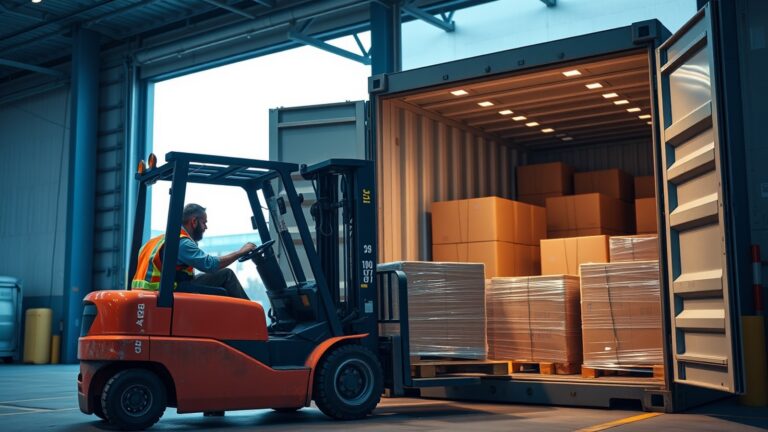
Season freight is a two-axis question — volume against remaining time: full launches (tens of cartons up, time in hand) sail, with the best cost structure and normal retail receiving; rescue runs and replenishment (a few to a dozen cartons, inside a month to deadline) go express — a week door-to-door at a unit cost the saved season usually justifies; and the mature pattern mixes both — the main batch by sea early, the best-sellers held back for express flexibility.
Food gift sets: compliance rides along
A gift box containing food is food: facility registration and Prior Notice per shipment under the three gates, full English labeling on the outer box — assorted sets declaring every component’s ingredients and allergens (the seven mistakes) — and any meat-containing item (pork floss, jerky and their relatives) crossing into FSIS territory where most Taiwanese plants lack eligibility: design meat out of export gift sets unless the supply chain is certified, and temperature-sensitive contents ride the cold chain.
Pretty but fragile: pack for the journey
Gift boxes sell on appearance and suffer for it in transit: rigid outer cartons with inner dividers, drop-tested master cartons, moisture protection for paper-based boxes on ocean lanes, and palletized stow so the retail-ready faces arrive unscuffed. The test is simple: the box that survives the journey is the one that was designed for the journey, not decorated after it.
Where SKYCARGO fits
SKYCARGO INC runs the season calendar yearly — early bookings against the three deadlines, ocean and express in combination, food-set compliance in line. Bring us the season plan in spring, not October; rates on request. (Personal shipments: Shiptw.)
Retail intake windows vary by chain and year; confirm with each buyer. Reference only.