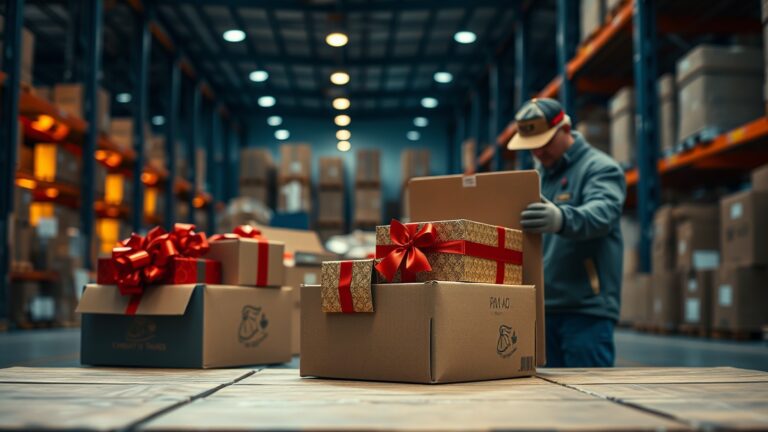


“Just write Sample, No Commercial Value on the box — we always shipped them that way.” In 2026, on the US lane, that sentence is an obsolete spell that strands parcels at customs. It used to work because sub-$800 shipments cleared duty-free with no formal entry, and samples lived under that line. The line is gone — de minimis is fully terminated, and commercial shipments of any value now file formal entries and pay duty (the full story). Samples still need to ship; the right question is how.
Myth first: customs values free goods anyway
The idea to unlearn: “the customer didn’t pay, so there’s no value, so no duty.” Customs logic runs exactly opposite — duty follows the goods’ value, not your receipts. Declare zero or a symbolic dollar and customs walks the valuation ladder: identical or similar merchandise, deductive, computed — down to a defensible market price. Three practical outcomes: the lucky pass that leaves a record to contradict your later real-price entries; the ordinary hold requesting valuation support, costing the sample two weeks it did not have; and the unlucky undervaluation finding, whose penalty lands on the importer — usually the American customer you were courting.
So the correct declaration is honest market value, with the invoice noting “Sample — value declared for customs purposes only.” Duty runs on that value, including Taiwan’s 15% reciprocal tariff under the current non-stacking terms (the calculation). The duty on a few samples is small money; gambling a customer relationship to save it is the worst trade in the file.
Samples by express: the standard filing
Express is nearly always the right vehicle — small, fast, tracked. Four things done right make it smooth:
- A complete commercial invoice: specific descriptions (material and use — never just “gift” or “parts”), HS code, real unit and total prices, origin Taiwan, full parties
- DDP on the duty: sender pays — never let a prospective customer’s first impression be a courier’s tax bill
- Let the courier’s brokerage file: your job is supplying correct documents; the delays and amendment fees of errors cost more than the duty
- Regulated categories still apply: food still files Prior Notice, electronics still needs FCC conformity — samples are exempt from no product regulation, only small
Sample, trial order, formal entry: the three tiers
- Samples (a few pieces): express, DDP, honest value — the tier above
- Trial orders (tens of pieces): a real commercial shipment in miniature. Courier still carries it physically, but treat the filing as a dress rehearsal for scale: correct classification, real payment terms, and a check of the category’s full compliance stack
- Formal volumes (batches and containers): the ocean-air-express decision and the full machinery of entries, bonds and IOR
The tier boundaries are volume and intent, not labels on boxes — and moving up a tier early beats improvising at the border.
Where SKYCARGO fits
SKYCARGO INC ships samples and trial orders on express contract rates with the filing done right the first time, and scales the same account into formal import volumes when the trial converts. Send us the sample plan; rates on request. (Personal shipments: Shiptw.)
Entry requirements and rates follow current CBP publications. Reference only.