

The same Taiwanese supplement brand, two consultants, opposite advice: one says launch on Amazon — biggest market, fastest feedback; the other says Amazon is a red ocean — go straight to brick-and-mortar for lasting value. Both are right, and both only half — this is not a route war but a sequencing problem.
The essential difference
- Amazon: fast, but no walls. Listing takes weeks, the national market opens at once, data flows daily; the price is a hundred sellers under the same ingredient keyword, ad costs ratcheting, and anything you can list today a competitor lists tomorrow
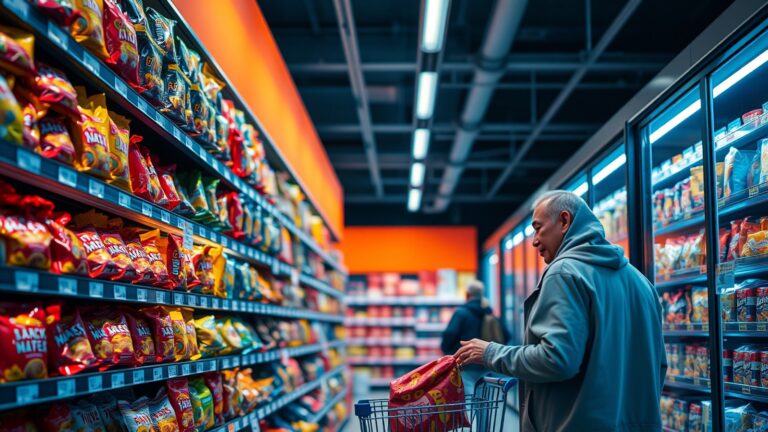
- Retail: slow, but walled. Drug, mass and specialty channels run submission-to-shelf timelines in years, with slotting and marketing money to negotiate; but shelf space is scarce, and once you hold it, dislodging you costs far more than outbidding you on Amazon ads
- The pragmatic sequence: validate the product and positioning on Amazon, bank the sales and review record, then knock on retail’s door holding that report card — a relay, not a duel
Compliance: one floor under both roads
Dietary supplements sit under FDA without premarket approval, and the floor is non-negotiable:
- Registration and import: facility registration, Prior Notice per shipment, FSVP on the import side — the three gates
- cGMP (21 CFR Part 111): a manufacturing standard and a documents war. Note carefully: Amazon now requires third-party cGMP verification from an accredited body (NSF, USP, UL, SGS and peers) for all supplements — “FDA-registered” and “FDA-inspected” do not satisfy it (per current platform policy), and that single certificate is where many brands stall
- Supplement Facts: the supplement panel, not Nutrition Facts — ingredients, dose units and %DV all formatted; the general traps in the labeling article
- The claims red line: structure/function claims only (“supports bone health”) with the FDA disclaimer attached; anything diagnosing, treating or preventing disease reclassifies the product as an unapproved drug. Direct translation of Chinese marketing verbs — “improves,” “treats” — is the most common takedown cause for Taiwanese brands
Logistics: small-and-frequent vs bulk-and-scheduled
The Amazon road runs FBA first-leg — small batches, high frequency, FNSKU labels, direct or staged. Retail runs the opposite — DC-sized consignments on appointment windows with late penalties, cadence set by the chain’s replenishment plan. Supplements add their own variable: remaining-shelf-life floors at both FBA and retail DCs, and lot-number traceability that must exist before an incident, not after. Running both roads, the economical shape is one US warehouse as the hub — feeding FBA small and DCs big. SKYCARGO INC’s warehousing and import services connect the first leg to both rhythms; ask us with your SKUs. (Personal supplement shipments: Shiptw.)
Platform verification requirements and channel policies follow current publications; claims language belongs with regulatory counsel. Reference only.