
Amazon has announced the end of commingled (stickerless) inventory from March 31, 2026 — inbound units will, as a rule, all need FNSKU labels (current Amazon policy governs). The change pushes an old question back at Taiwanese sellers: should first-leg cargo ship straight into Amazon’s warehouses, or stage through a third-party US warehouse first?
Two modes, two risk profiles
Direct to FBA: factory → first-leg freight → US customs → straight into the assigned Amazon fulfillment center. Shortest flow, no transfer handling or interim storage — at the price of near-zero error tolerance: check-in appointments, label and prep specs done right the first time, arrival inside the appointment window. Any miss means stranded freight and rebooking at best, wholesale rejection at worst. And the moment goods enter FBA, storage fees run — slow sellers roll into the punitive long-term storage tiers.
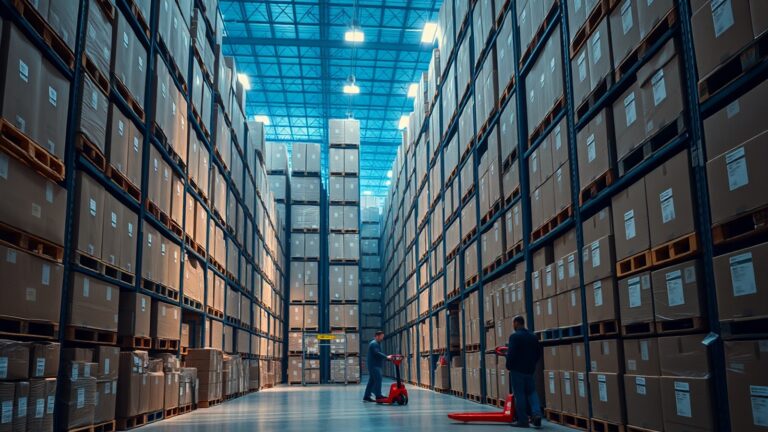
Staged through a US warehouse: cargo lands first at a third-party warehouse (ours are in Los Angeles and Oregon), then feeds FBA in batches matched to actual sales velocity. One more touch, in exchange for control: labeling, inspection and repacking happen in your own warehouse; FBA holds only a safety level of stock while the rest sits in far friendlier storage economics.
The three conditions for going direct
- The factory can get FNSKU labels and prep specs right the first time — once the goods sail, there is no fix-it point
- The SKU turns fast with accurate forecasts — inventory will not age into long-term storage fees
- The shipping cadence is steady enough to hit check-in appointment windows
All three true, direct is the cheapest road. One missing, and the saved transfer fees leak back out elsewhere — with interest. The first-leg mode itself is a separate question: at volume, run the LCL/FCL break-even; for urgent replenishment by air, know how chargeable weight works.
What staging buys: three kinds of flexibility
- Inventory level control — stock the pre-season surge in the outside warehouse, keep FBA at sellable levels, dodge the storage-fee escalators; when FBA runs dry, replenish domestically in days instead of chasing a shipment from Taiwan
- A fix-it point for labels and inspection — policy changes (like this commingling termination), misprinted labels, packaging revisions all get handled in-warehouse instead of hauling goods back across the Pacific
- A landing place for returns — removed FBA inventory has somewhere to go, someone to inspect, refurbish and restage it, instead of destruction by default
How the Los Angeles port warehouse and the Oregon tax-free warehouse split these roles is covered in our warehouse strategy article.
Decide on three dimensions
- SKU velocity: fast, predictable core lines suit direct; slow tails and unproven new items stage — mistakes stay recoverable
- Peak stocking: Q4 volume goes to the outside warehouse first, feeding FBA in tranches; steady off-peak flows can ship direct
- Returns needs: high-return categories (apparel, shoes) need the reverse-logistics landing point staging provides; low-return categories can discount this factor
Mature sellers mostly run a blend — core SKUs direct, tail and new items staged — and retune the ratio quarterly.
Where SKYCARGO fits
SKYCARGO INC runs the first leg from Taiwan plus both staging warehouses (LA and Oregon), with FNSKU labeling and FBA feeding on the same line. Tell us your SKUs and velocity and we will lay out direct-vs-staged for your catalog. (Personal shipments: Shiptw.)
Amazon inbound and labeling policies change continuously; current Amazon policy governs. Reference only.