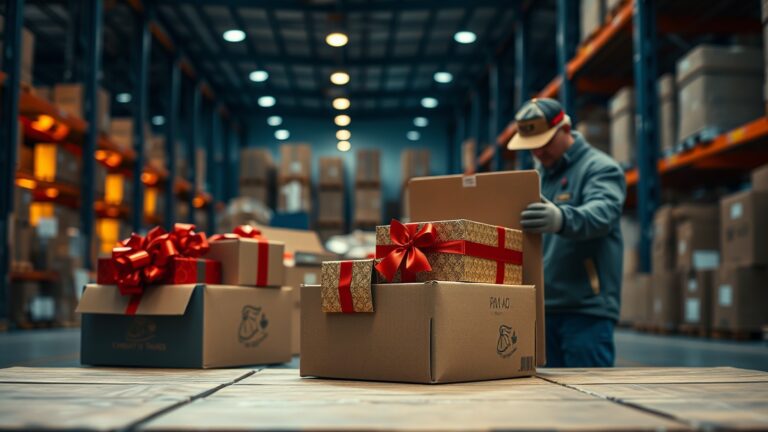

The sentence US customers say most after placing an order is “we need it within two weeks.” From Taiwan, ocean freight cannot make it and air freight eats the margin; but if the goods are already in a US warehouse, they ship next day, arrive in three, and the freight is a domestic Ground rate. An overseas warehouse is not an e-commerce seller’s toy — it is the lever that turns “urgent across the Pacific” into “urgent inside the US.” The difference is that what you need is not FBA; it is a B2B receive–store–ship setup.
Two warehouses, two roles
SKYCARGO runs two warehouses on the US West Coast with distinct jobs:
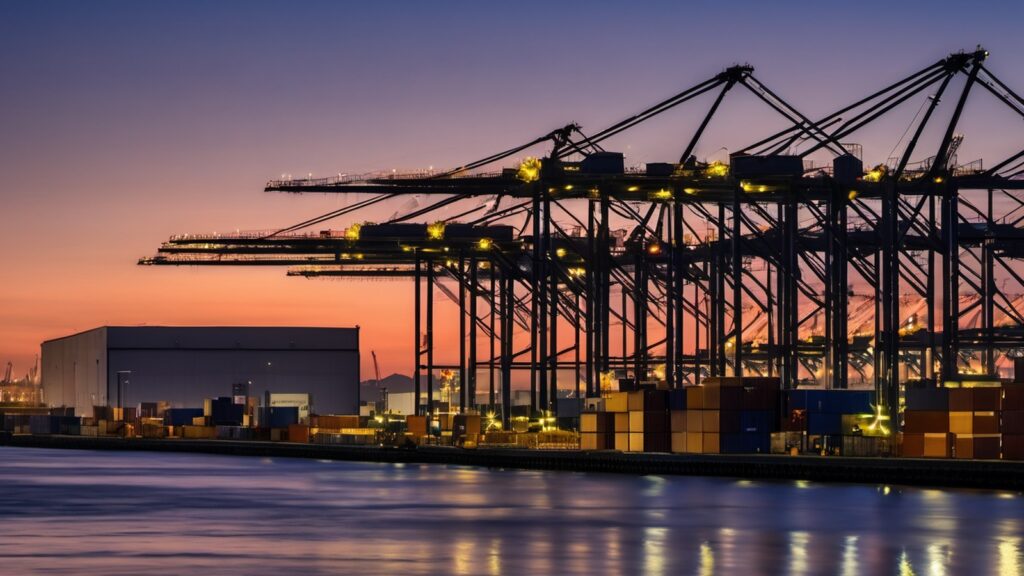
Los Angeles = port-side staging. Close to the LA / Long Beach ports: ocean containers are devanned here, pallets rebuilt, high-volume FedEx pickups and US domestic distribution all start here. Cargo arriving by container splits here: part ships straight to customers, part transfers into storage.
Oregon tax-free warehouse = inventory and value-added. Oregon charges no sales tax, so supplier replenishment and US online purchasing arrive untaxed. Goods are received and racked here, combined and repacked, relabeled and reboxed — the main warehouse for consolidation and B2B inventory. Turnover storage within 60 days and value-added work happen here.
A typical path for one shipment: ocean container → devanning in Los Angeles → (urgent part ships direct) → the rest racked in Oregon → customer orders → FedEx / Ground out → the next container follows on the replenishment cycle.
The three costs a US warehouse removes
1. The express-freight gap. With no US stock, every urgent order is an international express shipment; with stock, urgent orders become domestic delivery — same three days to door, several times cheaper. Let ocean freight move inventory across cheaply and keep express for true exceptions.
2. Stock-outs and penalties. Retail delivery windows and platform fulfillment SLAs are a gamble on sailing schedules when you ship direct from Taiwan. Safety stock in a US warehouse stops a PO being held hostage by one vessel.
3. Round-trip freight on returns. Customers return to the US warehouse, goods are inspected, repacked and reshipped — instead of going back to Taiwan and out again. For brands with warranty items or sized goods (shoes, apparel), this line is often the biggest saving of all.
What it costs, and at what scale it pays
Warehouse cost structures usually have three parts: inbound handling (per pallet or carton), storage (per pallet position or cubic volume, monthly), and outbound handling (per order, per carton). Rough thresholds for whether it is worth it:
- 3+ urgent US orders a month, or 2+ CBM shipped per quarter: worth trialing one pallet position
- Products with delivery-window penalties or a high return rate: almost always worth it
- Two or three shipments a year to a single, patient customer: skip it for now and keep shipping direct
One easily missed precondition: the goods must enter legally first. In the warehouse model there is no “US buyer acting as importer” — you are the importing party, and someone must act as Importer of Record to clear and pay. SKYCARGO INC can be that IOR and consignee (including FDA / USDA-regulated goods); cargo clears customs straight into our own warehouse, with entry, storage and fulfillment handled by one team.
Four questions before you start
- How many US orders a month, at what average weight? (sizes the space and replenishment cycle)
- How fast must the most urgent order arrive? (LA or Oregon, and which delivery service)
- Does the product need labeling, repacking, or inserts? (defines the value-added work)
- Who is the Importer of Record? (defines the entry and tax structure)
Send us the answers to these four and we will reply within one working day with a warehouse plan and fee structure.
Warehouse fees are quoted by cargo type and volume; for the import-tax side see the IOR article. For reference only.