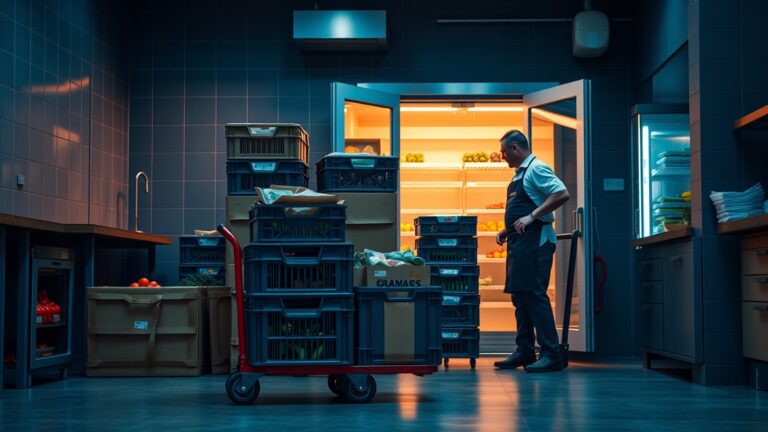

A Shopify seller of Taiwanese design goods once ran the numbers with us: shipping order by order from Taiwan, customers waited one to two weeks and cart abandonment would not come down; local competitors delivered in three days. The gap was never the product — it was where the inventory lived.
The model: inventory first, orders later
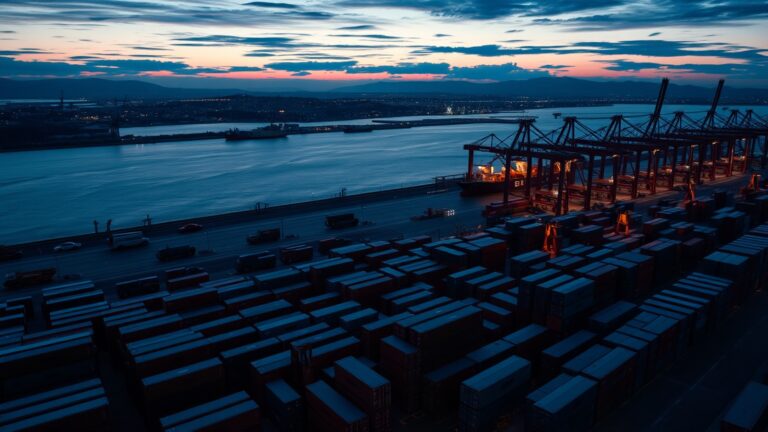
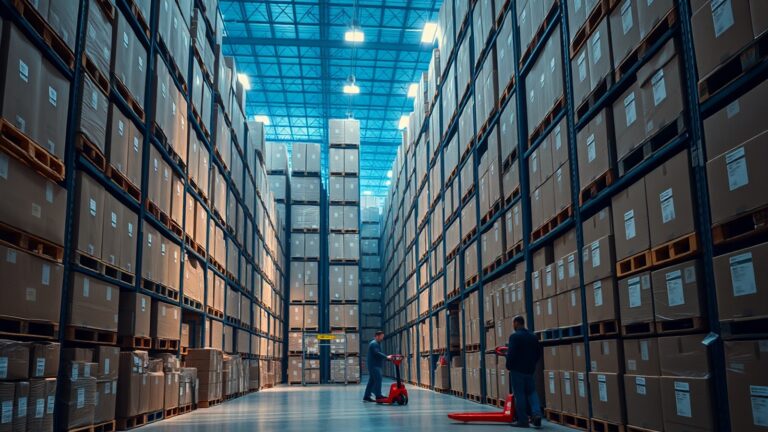
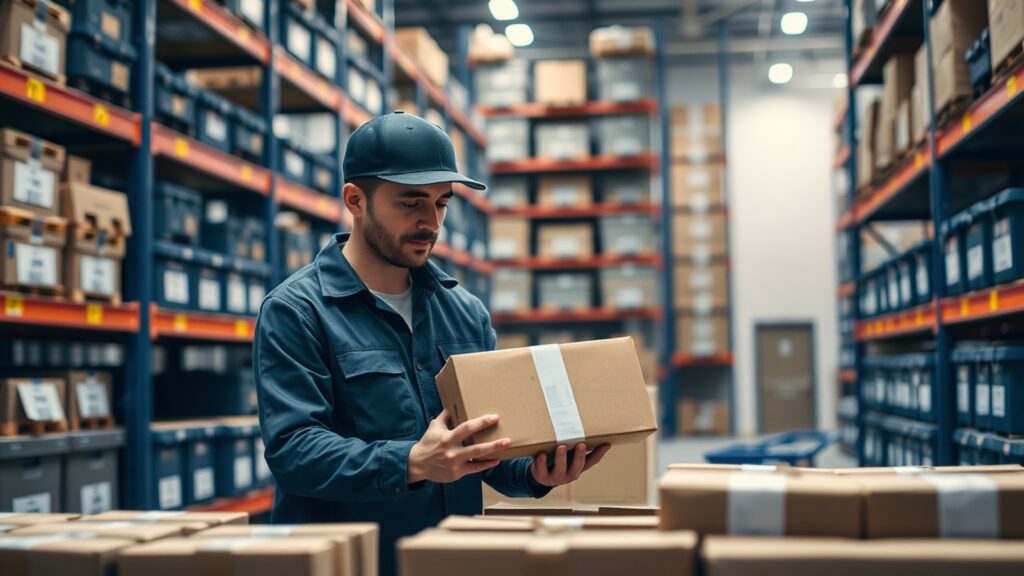
Three stages: a batch of inventory ships to a US warehouse by ocean or air; when a platform order lands (Shopify, Amazon, eBay, Etsy, TikTok Shop), it flows to the warehouse automatically or semi-automatically; the warehouse picks, packs, and ships with a US domestic label. The customer receives a domestically-shipped parcel — speed and returns experience on the same starting line as local sellers.
This differs from the “supplier ships direct” image of dropshipping: the stock is yours, the brand is yours — only the *shipping* act is outsourced. And bulk importing clears customs once, far cleaner than order-by-order retail entries; the import chain and fulfillment connect into one line.
Versus FBA: one inventory pool serves every channel
If FBA works, why a third-party warehouse? Channel ownership:
- FBA serves Amazon: strict inbound rules, inventory bound into Amazon’s system; your own site and other platforms need their own answer
- A 3PL pool serves everything: one batch ships Amazon seller-fulfilled, Shopify, eBay and TikTok Shop orders without splitting stock by channel
- The common blend: core sellers in FBA for Prime traffic; the full catalog at the 3PL for your own site and the long tail — division of labor, not either-or
Three metrics that vet a warehouse
1. Outbound speed. Pin the cutoff time: orders before it ship same-day, after it next-day. A warehouse promising same-day with a morning cutoff feels like next-day in practice. Get Q4 performance commitments in writing.
2. Systems integration. API-connected platforms with automatic order flow are one world; daily manual Excel handoffs are another. Spreadsheets survive at low volume; at scale, manual relay becomes the mother of mis-ships and missed orders. Confirm native integrations up front.
3. Error rate. Mis-picks and mis-labels become your returns and bad reviews. Ask whether the warehouse commits to an error rate, who pays for errors, and whether barcode-scan verification is in the flow — “we rarely make mistakes” without numbers means nobody is measuring.
Starting small, sensibly
No need to open with a formal 3PL contract. The pragmatic ladder: a small trial batch in, spreadsheet integration, and run the full loop — inbound → order → delivery → return — validating speed and error rate; stable volume earns the API and rate-card conversation; more SKUs and volume later, look at warehouse splitting. The commonest failure is not a bad warehouse — it is landing six months of inventory in batch one and watching storage eat the margin when it does not sell.
Connect the line from the first batch
SKYCARGO INC runs the Taiwan-to-US first leg and the fulfillment handoff, with LA and Oregon splitting roles by lane. Tell us your SKUs, volume forecast and platforms and we will plan freight, clearance and warehousing as one line. (Personal shipments: Shiptw.)
Platform policies and carrier terms change continuously. Reference only.