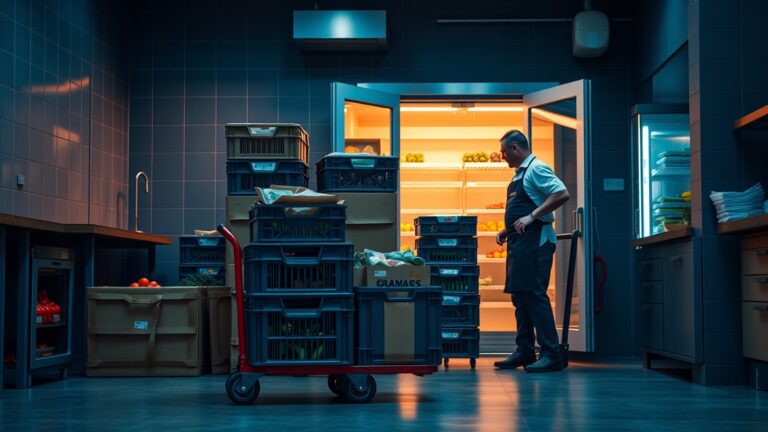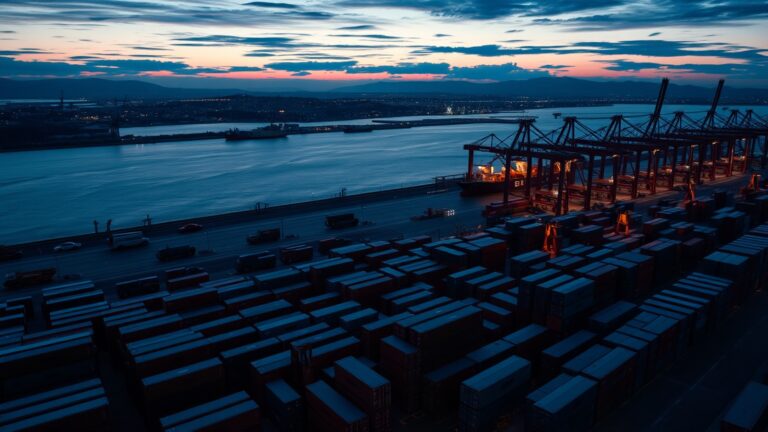


The same 40-foot container, discharged at the same warehouse dock — and two consignments meet very different fates. Batch A walks the standard flow: counted, put away, stored, picked when orders arrive. Batch B never sees a rack — sorted by destination straight off the container and gone on another truck the same day. Batch B cross-docked, and what it saved was more than time.
What cross-docking is: through the warehouse, never onto the shelf
One sentence: freight moves from the inbound dock through sorting, re-palletizing and carrier matching to the outbound dock — no putaway, no storage location, no storage billing. The warehouse serves as a transfer node, not a home. Dwell runs from same-day to about 48 hours, set by truck schedules and downstream appointments.
It is not a rival school to warehousing — both are lanes inside the same warehouse service. The difference is whether your freight needs to *wait*.
The time ledger
- Store-and-ship: devan → count and receive → putaway → store awaiting orders → pick → pack → schedule outbound. Receiving, putaway, per-day or per-month storage, pick-and-pack — each its own billing line (the fee family in detail)
- Cross-dock: devan → sort by destination → re-palletize → load out. The two big segments — putaway and storage — disappear, and the ledger drops from days-and-weeks to hours-and-days
The saved storage days are visible money; the saved dwell is worth more in peak season — every extra day at a node is another chance to collide with downstream congestion.
Which freight fits
- Destination already fixed: orders placed, retail POs confirmed, FBA appointments booked — the direct-vs-staged framing lives in the FBA first-leg article
- Standardized pallet freight: whole pallets in, whole pallets out, no rework
- Time-sensitive goods: seasonal items, promotion stock, short-shelf-life products — a day parked is a day unsold
- Bulk-in, multi-destination-out: one container splitting to many stores or warehouses sorts cheapest at the dock
And three cases not to force: freight with no confirmed destination that must wait for orders; goods needing labeling, inspection or repacking; mixed small-lot SKUs whose sorting cost eats the time dividend.
The cost line: storage saved, rhythm wagered
Cross-docking trades storage and handling fees for a harder dependency on rhythm: upstream must arrive on time, downstream must be ready to receive. When the outbound truck or appointment slips, freight piles at the dock as temporary storage — priced above normal racking, and disruptive to the whole operation. The decision line in one question: was the destination fixed the day the goods sailed? Yes — cross-dock candidate. No — it needs a shelf.
Where SKYCARGO fits
SKYCARGO INC runs both lanes in the LA and Oregon warehouses — cross-dock for fixed-destination freight, storage for the rest, on one rate card. Tell us the flow and destinations and we will mark which lane each shipment belongs to. (Personal shipments: Shiptw.)
Dwell and fees vary by operation and appointment availability. Reference only.