
Reconciling accounts with a client, we noticed part of the inventory he had imported into his US warehouse — duties fully paid — had later shipped onward to customers in Canada and Mexico. I asked: “did you claim those duties back?” He froze. Years of running a US warehouse, first time hearing that import duties can come back. The money has a name — duty drawback — and it is not an obscure perk; it is a formal regime written into US tariff law.
The logic: duty is paid for consumption in America
Tariffs rest on goods entering US commerce. When goods later leave the US — re-exported, or destroyed under supervision — the basis for the duty disappears, and the vast majority of it is refundable (the statutory refund share is very high; exact proportions and math follow current CBP rules). How the layers of duty are paid at entry is the prequel; this is the sequel where one slice comes back.
Three types: find your seat
- Unused merchandise drawback: goods entered the US, were never used or processed, and exported onward as-is — the US-warehouse-ships-global seller’s type. Under substitution rules you need not trace “the same box”; commercially interchangeable goods can match
- Manufacturing drawback: imported materials or components, processed or manufactured in the US, finished goods exported — duties paid on the inputs come back; fits operations with US-side assembly, repacking or production
- Rejected merchandise drawback: goods off-spec, defective, refused — returned or destroyed under customs supervision. The most-forgotten type, because when it happens everyone is fighting the complaint and nobody thinks about the duty
The price: years of reach-back, heavy documentation
Drawback’s signature is generous time, strict paper:
- The reach-back runs years: start organizing now and exports from prior years are still claimable — “we didn’t know” does not mean the money is gone
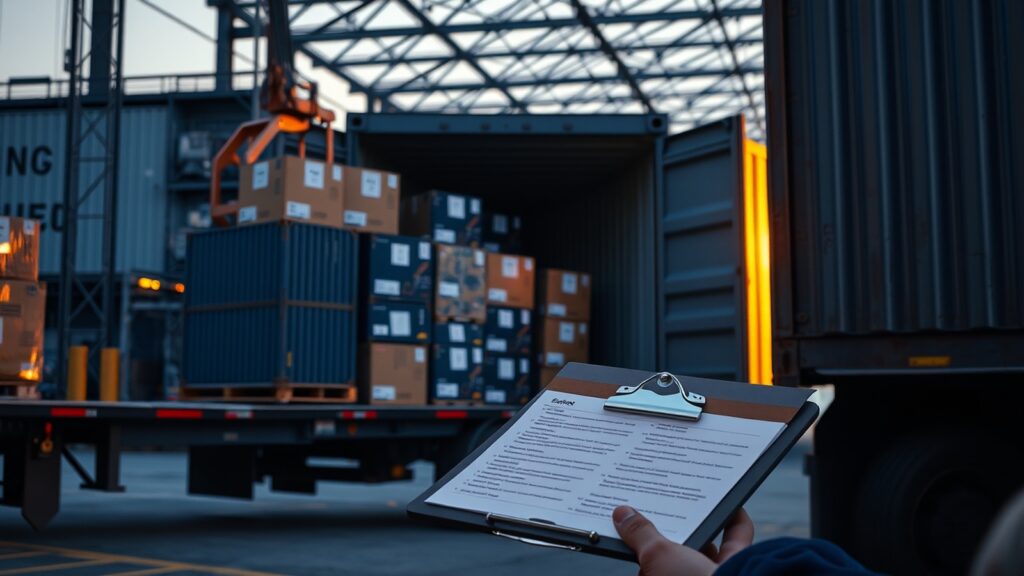
- Import and export documents must correspond: the core burden is proving the exported goods are (or validly substitute for) the duty-paid goods — entry data, inventory records and export proof chained together
- Claims run through a dedicated system: drawback has its own filing regime and specialist brokers, typically compensated as a share of the refund — no refund, no big fee
The document chain decides everything: a company whose inventory system already maps which import lot fed which export claim has an organizing task; a company with blended records faces reconstruction — the real cost.
Who needs this most: warehouse in America, orders everywhere
Sellers running the LA port warehouse plus Oregon tax-free warehouse pattern are the textbook money-leavers: goods enter in bulk with full duties, then ten or twenty percent forwards to Canadian, Mexican and Latin American customers — and that share of duty quietly stays with customs, year after year. Three classic scenarios: the US warehouse as a regional hub; returns flowing back out; transshipment and reallocation to other markets. The higher tariffs climb, the bigger this refund gets — every extra percentage point paid at entry is refundable base on the way out.
Where SKYCARGO fits
SKYCARGO INC’s job in drawback is laying the document chain: goods imported through us (IOR and entry data in hand), warehouse movements recorded, re-export papers complete — when you claim, the evidence exists. The claim itself runs through specialist procedure and tax judgment — engage a drawback broker or compliance counsel; we make the logistics-side records correspond. B2B shipments, talk to us. (Personal parcels: Shiptw.)
Drawback rules and refund proportions follow current CBP law. Reference only; consult compliance counsel for specific cases.