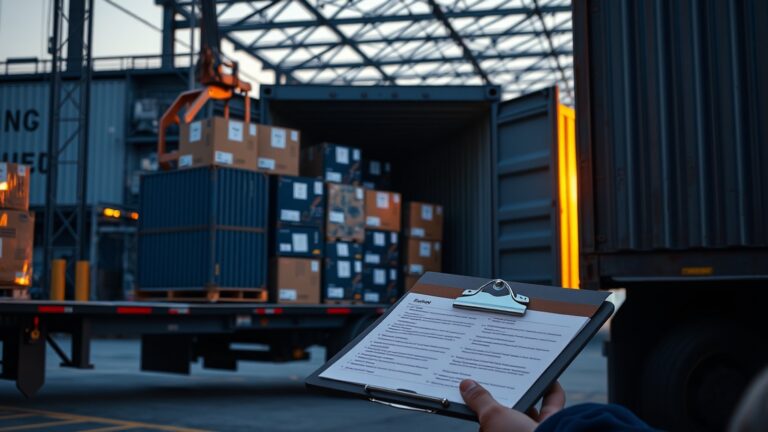

“I heard with CTPAT, customs stops examining your containers?” Half right, half wrong. The wrong half: they still examine — the selection probability drops. The right half: the gap is real, and for companies shipping at frequency, the accumulated savings in exam fees and delay are substantial. The question was never whether CTPAT is good — it is whether your volume justifies it.
What CTPAT is: voluntary, security, trust for access
CTPAT (Customs Trade Partnership Against Terrorism) is CBP’s voluntary supply-chain security partnership, built after 9/11. The logic is direct: bring your supply-chain security up to CBP’s standard, open it to validation, and CBP treats you as a low-risk member. It governs security — whether containers can be tampered with, whether people and facilities are trustworthy — not filing accuracy; that parallel track belongs to reasonable care.
The benefits: visible clearance dividends
- Lower exam rates: member cargo draws examinations markedly less often — every non-selection saves exam fees, devanning charges and days
- Front-of-line treatment: when selected, members queue ahead, shortening the hold
- FAST lanes: expedited land-border crossings at US-Mexico and US-Canada ports — supply chains with a trucking leg benefit most directly
- A named contact and incident handling: an assigned supply-chain security specialist, and standing to talk with customs when something goes wrong — a clearer path back to operation
The costs: not an exam to pass, a system to keep alive
The bar is the Minimum Security Criteria, roughly:
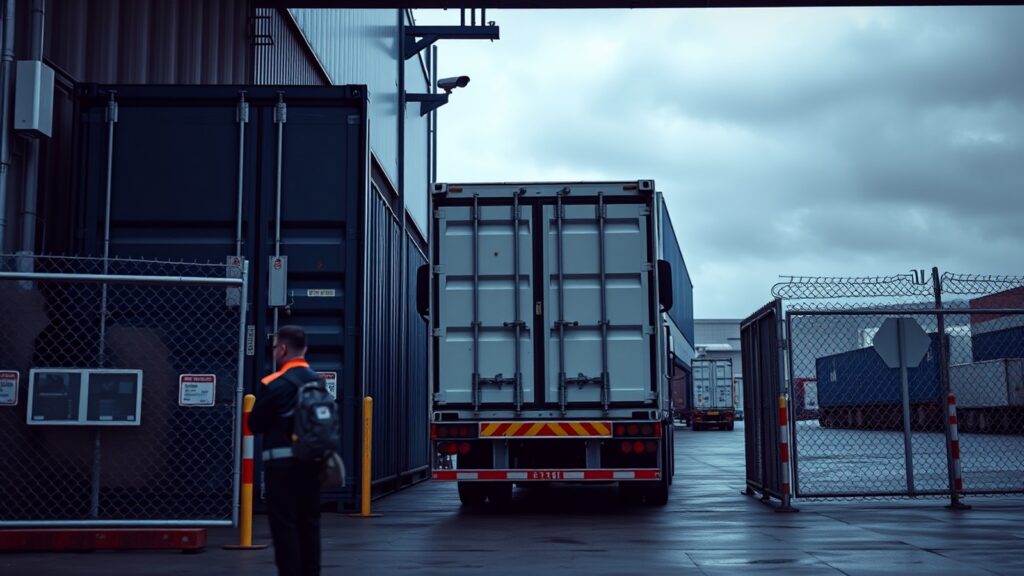
- Physical security and access control: fencing, surveillance, entry management, seven-point container inspections, high-security seal procedures
- Personnel security: background screening, access revocation at departure
- Procedures and documentation: written processes for handoffs, seals and incident reporting — actually running, not shelf-ware
- IT security: account controls and system protections are in scope
- Validation and maintenance: a supply-chain security profile at application, CBP validation visits, and annual self-assessment thereafter — a permanent operating cost, not a one-time project
Factories already running ISO-style management systems face modest incremental cost; companies with no documented procedures are building a system from zero.
The practical route for smaller shippers: borrow the certification
Insufficient volume does not mean no dividends:
- Use CTPAT-member carriers, brokers and logistics providers: CBP scores the whole chain, and certified links improve the shipment’s risk profile — the most pragmatic route to indirect benefit
- Meet your buyer’s requirements and stop there: large US retail buyers often require SCAN-type security audits, same lineage as CTPAT — the preparation largely reuses
- The Taiwan end: Taiwan’s AEO security certification has mutual recognition with CTPAT — an AEO-certified exporter already occupies a square on this trust chain
Our rule of thumb: high shipping frequency, frequent examinations, or a land-trucking leg — evaluate joining seriously; a few dozen shipments a year — spend the money on choosing certified partners instead.
Where SKYCARGO fits
SKYCARGO INC’s US-side partner network is screened on compliance and security records — your cargo rides a chain with a healthy risk score without you joining anything; clients evaluating their own CTPAT application get a gap assessment from us. B2B shipments, talk to us or contact us directly. (Personal parcels: Shiptw.)
CTPAT criteria and benefits follow current CBP publications. Reference only.