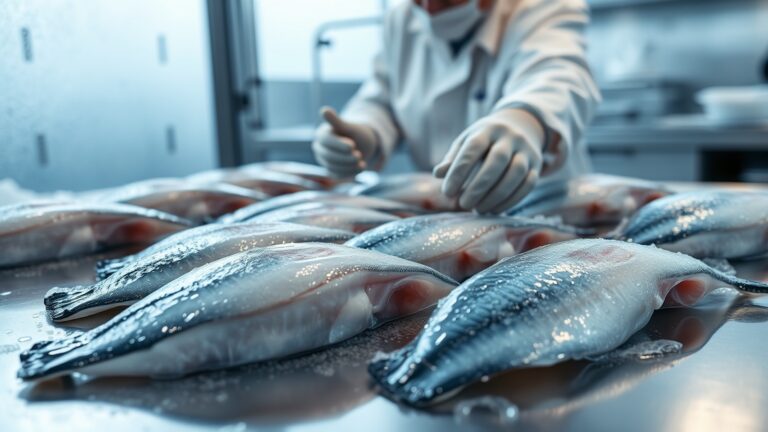

“FDA cleared it — why is the cargo still at the port?” A Tainan shipment of frozen milkfish, on its first export to the US, was released by FDA, yet customs said it was still waiting on USDA. The exporter thought FDA was the only checkpoint. In fact two agencies share jurisdiction over food in the US: FDA for food safety, USDA for animal and plant disease. Cargo containing fish, meat, egg, dairy or plant material may have to satisfy both.
FDA and USDA: one guards what you eat, the other guards against disease
FDA (Food and Drug Administration) covers the safety of most food: registration, labeling, additives, Prior Notice, FSVP.
USDA (Department of Agriculture) has two units that matter to exporters:
- APHIS (Animal and Plant Health Inspection Service): guards against bringing pests and disease into the US — fresh fruit and vegetables, plants, seeds, wood packaging, and animal products (meat, eggs, dairy, some seafood by-products). It wants quarantine certificates and import permits
- FSIS (Food Safety and Inspection Service): covers the safety of meat, poultry and egg products and the eligibility of exporting plants. Most Taiwanese meat cannot enter the US today precisely because FSIS has not recognized the country and plant equivalence
So a single shipment may need all of: an FDA Prior Notice, an APHIS quarantine certificate, and (for meat) an FSIS-approved plant. Fail any one and the cargo does not get in.
Which Taiwanese products need APHIS documents
Based on the cases we have handled and APHIS’s published rules, the common categories are as follows (judged by the product’s condition on arrival):
| Product category | APHIS requirement | Notes |
|---|---|---|
| Fresh fruit and vegetables | First check the Agricultural Commodity Import Requirements (ACIR) database; admissible items need a phytosanitary certificate issued by Taiwan’s Animal and Plant Health Inspection Agency | Most Taiwanese fresh fruit is not yet admissible; admitted items carry origin-inspection and treatment requirements |
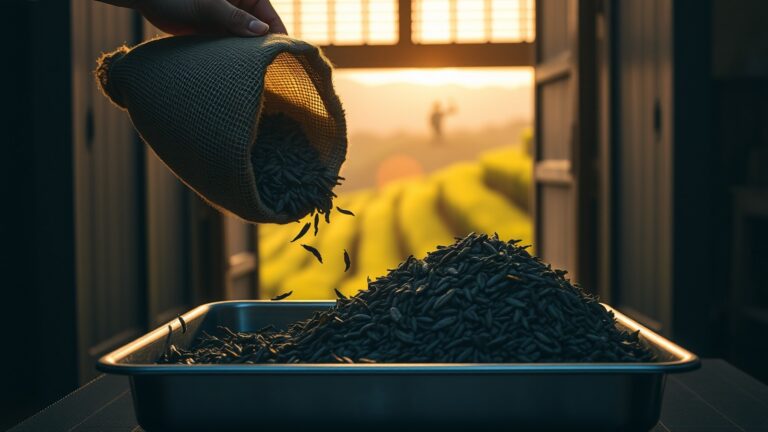
| Dried plant products (tea, dried mushrooms, herbal ingredients) | Mostly exempt from a certificate, but may be sampled for pests on arrival | The more processed, the lighter the requirement |
| Frozen / processed seafood (milkfish, shrimp) | Mostly under FDA; APHIS generally requires no certificate — but seafood by-products (fish meal, fish oil for feed) need an APHIS permit | Taijiang milkfish goes on FDA + HACCP alone, with joint FDA/USDA sampling on arrival |
| Processed foods containing meat, egg or dairy | Meat content depends on FSIS-recognized countries/plants; egg and dairy follow APHIS animal-product rules | Frozen foods with pork filling cannot enter the US at present |
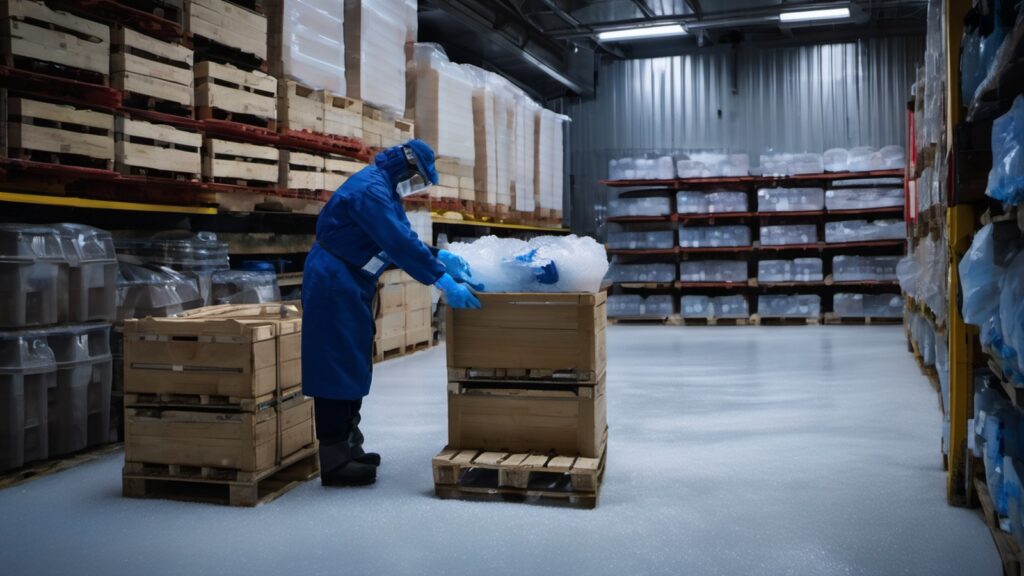
| Wood pallets and crates | Must bear the ISPM 15 heat-treatment or fumigation mark | No mark means the whole container is turned back, regardless of the product |
The last line is the one most often overlooked: the goods are fine, but the pallets carry no ISPM 15 mark, APHIS orders the container re-exported or re-palletized, and the importer pays for all of it.
Where inspection happens and who has to be there
APHIS and FDA inspections both take place at the US port of entry (airport or seaport), and the inspection notice goes to the importer and consignee named on the customs entry. At that point someone on the US side has to do three things:
- Receive the notice and arrange the time and place (for cold-chain cargo, keep the temperature unbroken during inspection)
- Supply additional documents: the original quarantine certificate, HACCP records, ingredient certificates
- If the result calls for treatment (fumigation, repacking, partial destruction), someone has to decide and pay
If the importer is your US buyer, they may be neither willing nor able to handle this; if all you have is a “U.S. Agent,” that agent usually covers FDA contact only and will not go to the port for you.
SKYCARGO’s role: a consignee that can work with USDA / APHIS
SKYCARGO INC holds FDA and USDA agent status and can act as Importer of Record and consignee, dealing directly with USDA / APHIS quarantine inspection. The Taijiang milkfish flow runs like this: the Taiwan side completes SGS testing and HACCP / ISO 22000 documents; we verify the FDA registration and file the Prior Notice; on arrival we receive the joint FDA and USDA sampling; after release the cargo goes into our Oregon or Los Angeles warehouse for cold-chain distribution.
If you want to know before shipping whether your product will meet FDA, APHIS or FSIS, tell us the item, ingredients and packaging and we will reply within one working day with the document list you need.
This article summarizes published USDA APHIS and FDA rules. For admissible Taiwanese agricultural products always check the latest data from Taiwan’s Animal and Plant Health Inspection Agency and APHIS’s Agricultural Commodity Import Requirements database. For reference only.