

“Our red colorant supplier has a Taiwanese lab certificate — is that enough for the US?” a candy maker asked before shipping. Not even close. If that colorant is synthetic, the US does not want a supplier’s test report; it wants proof that this specific batch of this colorant went through an FDA lab and received a certification lot number. Most exporters assume additives follow one set of rules. FDA actually splits them into two tracks — general food additives and color additives — with completely different regimes.
Track one: general additives — GRAS
For preservatives, sweeteners, emulsifiers, flavors and the like, the logic is: the substance is either an FDA-approved food additive, or it is GRAS — Generally Recognized As Safe. GRAS has two paths:
- GRAS self-determination: the company concludes safety from published scientific evidence, with no FDA filing — but the dossier must exist and stand up
- GRAS notification: safety data filed with FDA, which responds with a “no questions” letter — the strongest position for the trade
The point that costs exporters real money: legal in Taiwan does not mean legal in the US. Taiwan’s positive list and the US lists are not the same document — some traditional-medicine ingredients and some sweeteners are fine in Taiwan and have no GRAS basis in the US. Shipping an unmodified recipe is betting the whole consignment on an unverified assumption. Walking the ingredient list against the US lists before shipping is the cheapest step in the entire project.
Track two: colors — there is no GRAS path
Color additives are a separate legal category: GRAS does not apply to them, at all. Every usable color must be pre-approved and listed by FDA (certifiable synthetic colors under 21 CFR 74; exempt colors under the related framework). Not on the list means not usable — there is no “we determined it safe ourselves” option.
Synthetic colors carry one more gate:
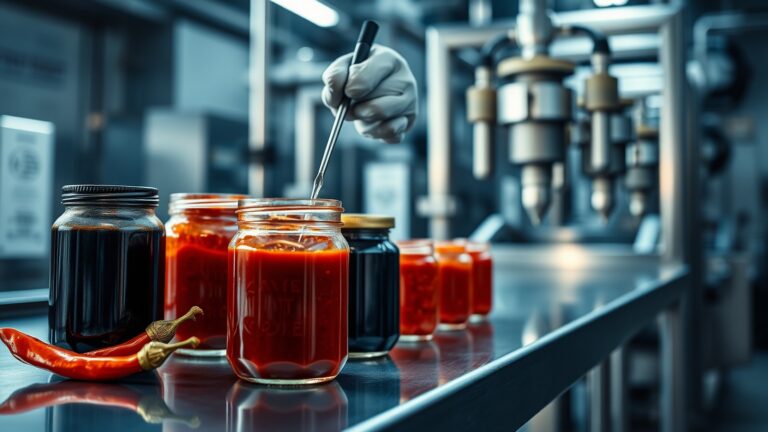
- FD&C synthetic colors require batch certification: every production lot is submitted to FDA for testing (lead, arsenic and other impurities) and receives a certification lot number only if it passes — imported products included. If your colorant batch has no FDA lot number, the finished food is in violation
- Colors from natural sources are mostly exempt from batch certification, but must still be listed items used within their approved limits
| Category | Approval route | Batch certification |
|---|---|---|
| General additives | Approved additive or GRAS | Not required |
| Synthetic colors (FD&C) | Pre-approved listing | Required, every batch |
| Natural-source colors | Pre-approved listing | Mostly exempt |
In practice, what you request from a color supplier is not a lab report — it is the FDA certification lot number for that batch. If the supplier cannot produce one, change suppliers. Do not gamble.
Recipe check sequence before shipping
- Classify every ingredient: general additive or color additive?
- General additives: confirm approved status or GRAS basis, and file the evidence
- Colors: confirm the item is listed and your use fits its limitations
- Synthetic colors: obtain the batch’s FDA certification lot number and attach it to shipping documents
- Ingredient names on the label must match the regulatory names — another point your FSVP importer will verify
How SKYCARGO takes it from there
SKYCARGO INC holds FDA and USDA agent status and can act as your Importer of Record. For foods containing colors or unusual additives, we help walk the recipe against the US lists and confirm certification paperwork before the goods ship; on arrival we handle entry, FDA examination and warehouse distribution. A recipe problem costs one day to fix in Taiwan — and three weeks at a US pier.
Not sure about your formula? Send us the ingredient list and we will reply within one business day with the items that need documentation.
This article summarizes FDA food additive and color additive requirements for reference only. Confirm specifics against current FDA publications and formal regulatory advice for individual cases.