
The US market for Japanese food grows every year, but search “Japanese seafood import US” in Chinese and most of what surfaces is old news from the nuclear-wastewater debate — useless to anyone trying to put Toyosu fish on American tables. Our group company Serenity Seafood does exactly this — buying at Toyosu Market and shipping direct to the US and Taiwan — and this article writes down the gates that actually matter.
Japanese seafood faces the same gates as Taiwanese seafood, plus a little more
The baseline is the same as all seafood: the Japanese processor or shipper needs a HACCP plan compliant with FDA 21 CFR Part 123, FDA facility registration with a U.S. Agent, a Prior Notice for every shipment, and a US importer performing 123.12 supplier verification. Our seafood-HACCP article covers these in full; Japanese cargo uses them unchanged.
Two extra points specific to Japan:
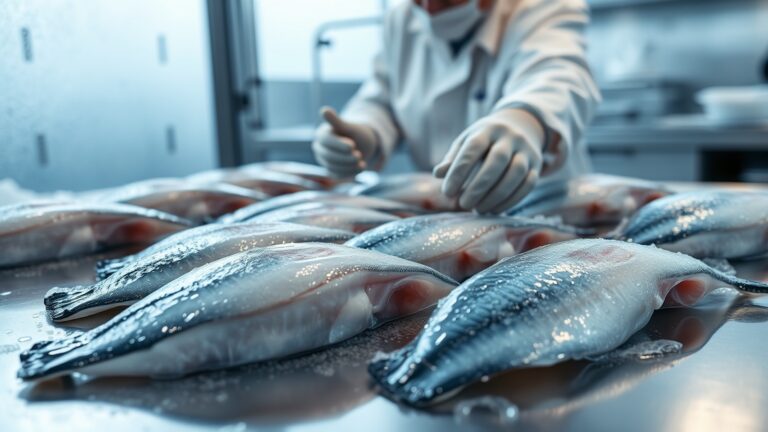
1. Parasite-freezing records for sashimi grade. For fish sold raw in the US — sashimi, sushi — FDA requires (with exceptions such as certain tuna) freezing that kills parasites: commonly −20°C for 7 continuous days, or −35°C or below for 15 hours. “Sashimi-grade” as labeled at Toyosu does not automatically satisfy the US standard: the shipper must be able to produce the freezing temperature and time records, and restaurant health inspections will ask to see them too.
2. Where the radiation issue stands. After Fukushima, FDA issued an import alert on seafood from specific prefectures; most restrictions have since been lifted, but “food from Japan” can still be sampled, and some states and buyers keep their own testing requirements. The practical approach: ship with prefecture-level origin certificates and any relevant test reports attached, so the buyer and the inspector both have paper to look at — leave no blanks for people to guess into.
The Toyosu direct flow, step by step
Serenity Seafood’s US lane runs like this:
| Leg | What happens |
|---|---|
| Purchasing | Toyosu Market auction / designated wholesaler purchase, selected to order spec |
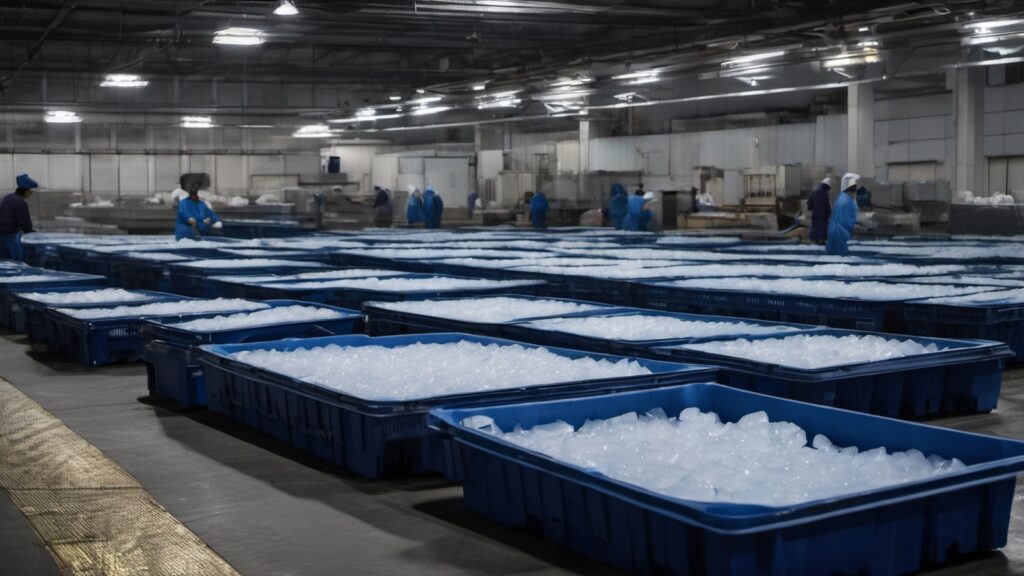
| Japan side | processor cuts, vacuum-packs, blast-freezes (sashimi grade keeps parasite-freezing records); HACCP documents and origin certificates assembled |
| Export | Narita / Haneda air freight; Prior Notice filed by the US-side importer; data logger throughout |
| US side | SKYCARGO as Importer of Record and consignee, FDA inspection and release, cold-store staging |
| Delivery | cold-chain to restaurants, markets and wholesalers; small orders split from the warehouse |
With stable flights, Toyosu receipt to a US West Coast customer takes about 3–5 days. The Taiwan lane is the same machinery with Taoyuan as the destination, cleared and delivered by the group on the Taiwan side.
Who needs this lane
- US Japanese restaurants, markets and wholesalers: steady supply without running HACCP verification and inspections themselves
- Taiwanese food service and retail: Toyosu direct to Taiwan, ordered through shopping.skycargo.cc
- Traders building Japanese seafood into a private label: we carry the import compliance, you work the market
Three things to confirm before ordering
- Raw or cooked use? (decides the parasite-freezing requirement)
- Destination state and buyer testing requirements?
- Order volume and frequency? (dedicated air shipment or consolidated)
Tell us the species and destination and we will reply within one working day with supply and pricing; for retail and small orders go straight to the Serenity Seafood store.
FDA import alerts and state requirements change; raw-fish freezing standards follow the current FDA Fish and Fishery Products Hazards Guidance. For reference only.