
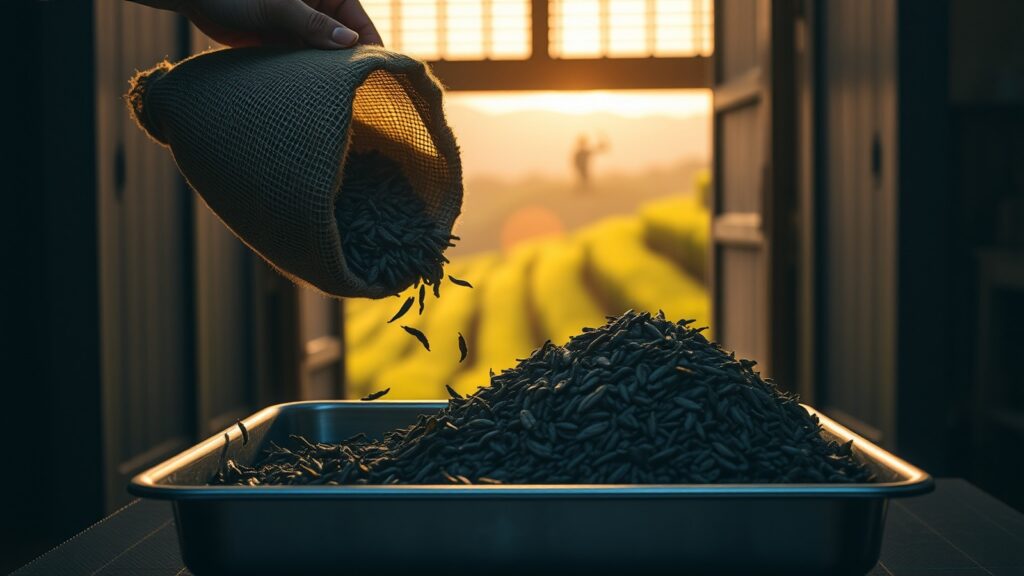
The reciprocal-tariff era has most Taiwanese exporters groaning — and hands Taiwanese tea a winning card: tea sits on the exemption list, entering the US at zero tariff (exemptions and rates per current publications; re-check before every shipment). The saved duty is margin gained, which turns “selling Taiwanese tea to America” from a passion project into arithmetic that works. But zero tariff only waives the bill — five gates still stand between the tea garden and the American shelf.
Gate one: pesticides — passing Taiwan is not passing America
The great killer of tea exports is not tariffs but residues. The US EPA sets per-pesticide tolerances on tea, and pesticides with no established tolerance default to zero detection — a compound commonly used in Taiwanese fields and fully legal at home can be exactly the one with no US tolerance, and port sampling finds it. The only fix: test against US standards before shipping; a Taiwanese report is not a passport. The full sampling-and-organic picture lives in the tea and coffee residues article.
Gate two: FDA’s two tickets
Tea is food and walks food’s road: the tea factory (refining and packing plants included) completes FDA facility registration, and every shipment files Prior Notice before arrival — the panorama in the three-gates article, the field-level how-to in the Prior Notice article. Registration is free; detention is not.
Gate three: the label
English product name, dual-unit net weight, ingredients and allergens, firm details, nutrition panel. Tea’s classic traps: skipping requirements on the “tea is a single ingredient” theory, and flavored teas (osmanthus oolong) omitting added ingredients. The seven recurring Taiwanese mistakes are catalogued in the labeling article.
Gate four: transit — tea fears water and smell, not distance
Tea absorbs moisture and odors, and thirty-plus ocean days amplify both:
- Moisture: vacuum or nitrogen-flushed foil bags as baseline, container desiccants beyond the cartons, doubled in plum-rain season and on equator-crossing lanes
- Odor: never consolidate with spices, coffee, cleaning agents or chemicals — tea that lands tainted is a written-off shipment, and insurance may not see it your way
- High-grade lots: competition and high-mountain teas — small, precious — fly. Two or three days door-to-door, and at that price band the freight share is easily carried
Gate five: channels — two roads, two stocking logics
The Asian-supermarket road moves through distributors — volume, steady replenishment, price layers; the boutique-tea road (DTC sites, tea rooms, specialty e-commerce) runs small and fast with your brand story intact. They differ in stocking rhythm — container-scale versus small air consignments — and most brands end up running both: commodity lines through distribution, signature lots direct.
Where SKYCARGO fits
SKYCARGO INC ships Taiwanese tea both ways — ocean containers with desiccant and stowage discipline, air for the precious lots — with the import chain and FDA filings handled in line. Tell us the teas and the target channel; rates on request. (Personal tea shipments: Shiptw.)
Tariff exemptions, tolerances and requirements follow current official publications; re-verify before every shipment. Reference only.