
Get a regular tariff wrong and your quote’s margin takes the hit. Step on AD/CVD without noticing and the entire shipment — duties plus penalties — can erase a year. The two live in different weight classes, yet Taiwanese exporters routinely file both under the same “tariffs” drawer: plenty of people check duty rates before shipping; far fewer check the AD/CVD order list.
What AD/CVD is: a second regime stacked on the tariff
AD (antidumping duties) target imports sold below normal value; CVD (countervailing duties) target subsidized imports. The Commerce Department investigates and determines; CBP collects. Three properties matter:
- They stack: AD/CVD adds on top of the schedule rate and other surcharges — it does not replace them
- They are country-and-product specific: every order defines a product scope and covered countries
- The rates can be enormous: large enough to rewrite a cost structure outright — and they vary by order and by producer, so check the currently effective version before shipping instead of quoting numbers from old articles
Taiwan is not a bystander
“AD/CVD is a China problem” is a dangerous misreading. Taiwan has its own record of orders and investigations:
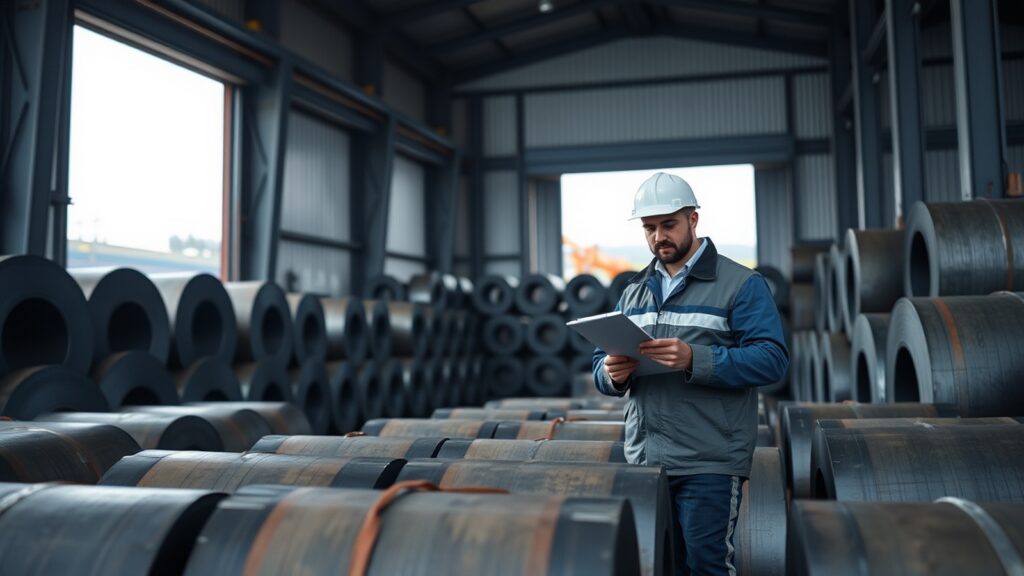
- Steel: Taiwanese corrosion-resistant steel products have carried steep US antidumping rates, and other steel categories have cycled in and out of proceedings — anything in the steel chain gets the list checked, every time
- Chemicals: Taiwanese chemical products likewise have investigation history
- Extended vigilance: solar, fasteners, pipe fittings — categories the US files against frequently; Taiwan being off a list today does not keep a new petition from naming it tomorrow
One-sentence principle: these categories have precedent, but orders and rates move constantly — only the list as of your shipping date counts. Note also that measures can reach backward: goods released during an investigation can owe duties retroactively at the final determination, so “already cleared” does not mean “safely landed” — price the tail risk into the quote.
The pre-shipment check sequence
- First, classify correctly: AD/CVD scopes are defined by tariff codes plus product descriptions — a wrong HTSUS classification makes you check the wrong list, which is why we call classification the foundation
- Second, check the official order lists: CBP and Commerce publications, current version, product against origin — not blog posts, not last year’s slide deck
- Third, when in doubt, request a Scope Ruling: where a product’s coverage under an order is genuinely uncertain, ask Commerce for a formal scope determination instead of betting on one port’s interpretation
The shortcut never to take: third-country routing
Routing AD/CVD-covered goods through a third country for a new identity is EAPA’s textbook target: back duties, penalties, full-chain scrutiny, and escalation in serious cases. The logic mirrors Section 301 transshipment exactly — origin follows substantial transformation, not the routing — and a Taiwanese factory that launders origin for others pledges its own export credibility as collateral.
Where SKYCARGO fits
SKYCARGO INC folds the AD/CVD list into every pre-shipment duty run: tariff code, product description and origin checked against current orders, with any exposure flagged before you quote — not after the goods reach port. Where a Scope Ruling or legal read on coverage is needed, we say so plainly and point you to compliance counsel; our role is logistics, documentation and Importer of Record, and we do not gamble compliance on your behalf. Run your items past us before shipping. (Personal parcels: Shiptw.)
AD/CVD scope, coverage and rates follow current Commerce and CBP publications. Reference only; consult compliance counsel for specific cases.