
A client once asked us quietly: “Pull the goods from mainland China to Taiwan, switch the packaging, put on a Taiwan label, ship to the US — that works, right?” Our answer is one sentence: that is not supply-chain adjustment, that is evasion — and it is now enforced from both sides of the strait at once. Here is what “Made in Taiwan” actually requires in US Customs’ eyes.
Section 301 taxes origin, not the port of departure
Section 301 tariffs attach to goods of Chinese origin — country of origin, not export port, not the shipper line on the bill of lading. A Chinese-made finished product detouring through Taiwan is still Chinese origin; the 301 duty is owed in full, and the only variable is whether you declared honestly. Genuinely acquiring Taiwan origin has one threshold: substantial transformation.
Substantial transformation: the product must become something else
The core test: after processing, is the product a new article of commerce — different in name, character and use — from what went in? On the spectrum:
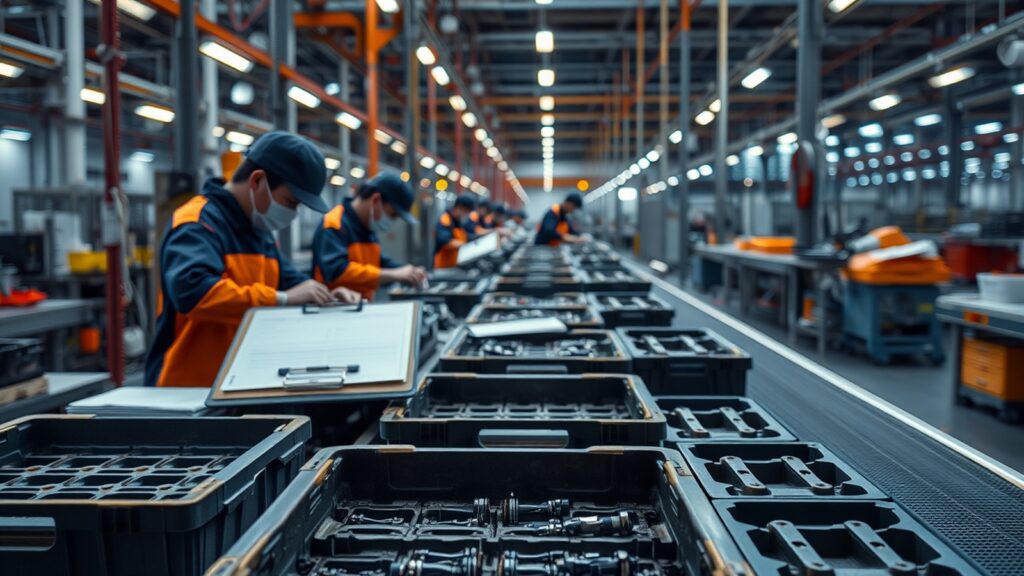
- Defensible: components processed and assembled in Taiwan into a functionally different finished product; raw materials transformed by real processing into something of different character — the output has its own commercial identity
- Indefensible: repacking, relabeling, splitting, simple mixing, trivial assembly, inspect-and-reship — what came in is what goes out
The middle ground (how much Taiwanese processing is enough) is case-by-case with no universal formula; for products you cannot call, take the case to compliance counsel rather than shipping on a guess.
Both sides are enforcing: CBP’s EAPA, and Taiwan Customs
Many assume the risk sits only at the US end. Reality is a pincer:
- US side: CBP’s EAPA mechanism takes allegations and opens cases; substantiated evasion means back duties, penalties, and full-chain scrutiny of subsequent shipments — and the same routing applied to AD/CVD-covered products carries heavier consequences
- Taiwan side: Taiwan Customs intercepts at export — passing simple processing off as Taiwanese origin is a violation Taiwan itself prosecutes; the goods may never leave the Taiwanese port
And remember: once inside US customs procedure, the burden of proof is on the importing side. When CBP questions origin, you produce the evidence of genuine transformation in Taiwan — fail, and the goods are treated as Chinese origin. Whoever is named Importer of Record faces that burden first.
The four-document proof pack — assembled before anyone asks
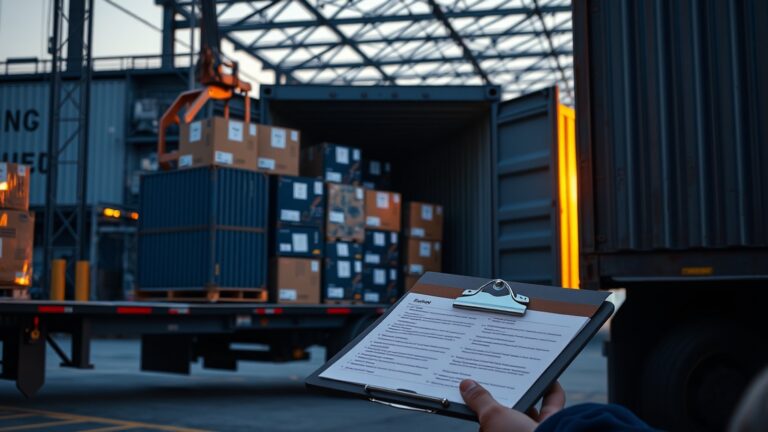
Origin documentation is not something you scramble for after a query; it is daily filing before shipment:
- Certificate of origin: from the Taiwanese issuing body, names and specs consistent with export documents
- Process description: what operations, on what equipment, inputs and outputs — written so a lay examiner can follow it
- BOM: every component’s source country laid open — list the Chinese-origin parts honestly; hiding them reads a hundred times worse when found
- Facility proof: factory registration, line photos, capacity evidence — proof the Taiwan plant is not a relabeling shed
One pack serves both ends: producible for Taiwan’s export checks, producible when CBP asks.
Where SKYCARGO fits
SKYCARGO INC is the logistics and documentation side, and can serve as your Importer of Record: before shipping we align the certificate, process description and BOM with the customs declaration so product name, tariff code and origin tell one consistent story; after arrival we clear customs under our name into Los Angeles or Oregon warehousing. We do not issue legal opinions — origin calls with real doubt go to compliance counsel before the goods move. Talk to us for B2B lane planning. (Personal parcels: Shiptw.)
Origin determination and Section 301 scope follow current CBP, USTR and Taiwanese authority publications. Reference only; consult compliance counsel for specific cases.