
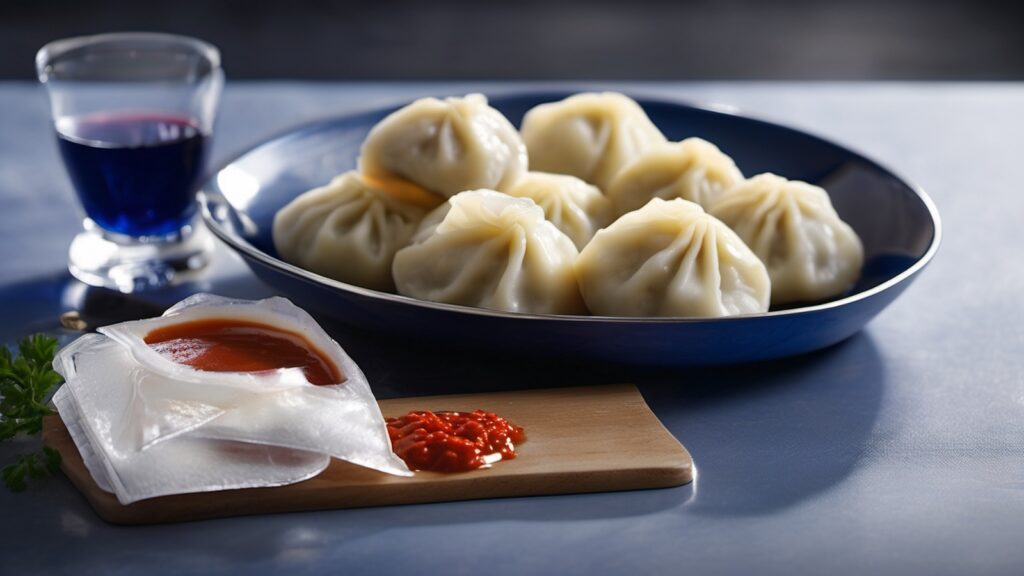
Pull out a bag of frozen dumplings and check the dipping-sauce sachet for sesame oil. Found it? Now check the English label for the word “sesame.” We run this exact check on every frozen prepared-food client, because since 2023 that one empty field is enough to keep a whole container out of the US — sesame is now the ninth legally mandated allergen, and Taiwanese sauces contain more of it than their own makers realize.
Nine major allergens: eight familiar, one new minefield
US allergen labeling runs on FALCPA, which originally covered eight: milk, eggs, fish, crustacean shellfish, tree nuts, peanuts, wheat, soybeans. The FASTER Act added the ninth from 2023: sesame. Taiwanese exporters mostly know the eight — they overlap heavily with Taiwan’s own declarations. The new minefield is sesame, for two reasons:
- Taiwanese sauces are saturated with it: sesame oil, fragrant oil, sesame paste, shacha sauce, goma dressing — even the compound seasonings in braised and ready-meal products
- Pre-2023 label files simply lack the field: reuse an old English label file and you are shipping a label missing one mandatory allergen
Frozen prepared foods are structurally prone to this: the product body is dumplings, buns, noodles — but the allergens hide in the bundled sauce sachets and compound seasonings. The translator watches the main ingredients, sums the sachet up as “seasoning,” and that is where refusal notices come from.
The two legal formats — pick one, and be specific
FALCPA allows two formats, either one sufficient:
- In the ingredient list: the source in parentheses after the ingredient, e.g. “tahini (sesame)”
- A Contains statement: one line after the list — “Contains: wheat, soy, sesame.” — naming every one of the nine present
Using the Contains line carries a rule: once you use it, every major allergen present must appear on it — listing three and missing one is worse than not using the line at all. Equally missed: sources must be specific — fish declared by species (tilapia, milkfish — not just “fish”), tree nuts by kind (almond, cashew — not just “tree nuts”). A Taiwanese ingredient list saying “fish paste” or “crushed nuts” translated literally is a failing label.
“May contain” is not a shield
Many makers believe a “may contain traces of peanuts” line settles everything. Be clear: cross-contact advisory labeling is voluntary, has no regulated format, and cannot substitute for the two mandatory formats above — an allergen actually in the recipe declared only as “may contain” is a violation. The advisory belongs solely to the shared-line trace scenario, and printing it invites FDA to ask what your allergen-control program actually does.
Three pre-shipment checks
- Open the original formula of every sachet and compound seasoning against the nine — do not audit the translated list
- Choose one format — in-list or Contains — and standardize it across the product line so revisions never drop an item
- Verify fish and nuts are declared by species; re-screen every label file finalized before 2023 for sesame
Allergens are one panel among several — for product name, net weight and nutrition traps see the seven common US labeling mistakes.
How SKYCARGO takes it from there
SKYCARGO INC holds FDA and USDA agent status and can act as your Importer of Record and consignee. On frozen prepared foods we run the label through the nine allergens and format check before anything ships, then file Prior Notice and book cold-chain freight; in Los Angeles or Oregon the same team meets examination, holds goods in frozen storage and distributes. A label problem stopped in Taiwan costs a revision; stopped at a US pier it costs the shipment. Personal frozen-food shipments home belong with Shiptw consolidation.
Shipping frozen prepared foods to the US? Send us your labels and sauce-pack formulas and we will reply within one business day with the allergen gap list.
This article summarizes FALCPA and FASTER Act requirements for reference only. Confirm specifics with current FDA publications and formal advice for individual cases.