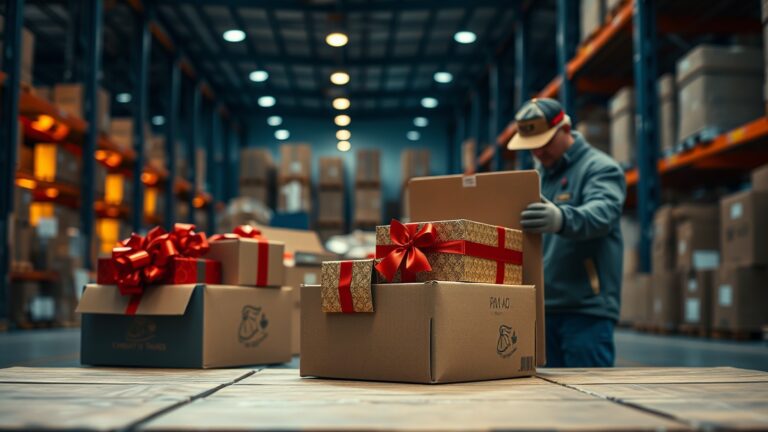

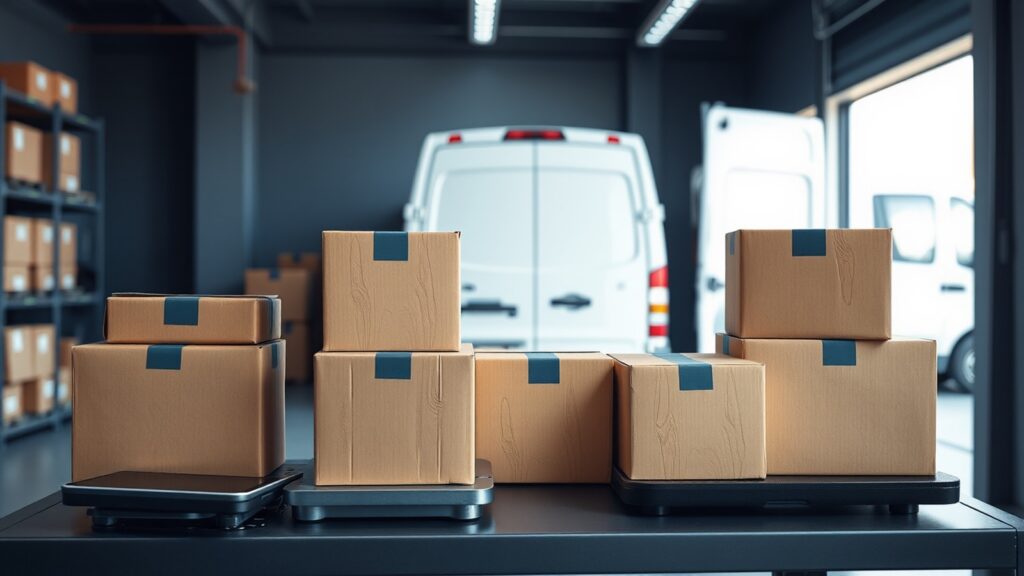
An instrument-parts client shipped everything by courier for five years — right for samples, but the monthly replenishment of several hundred kilograms rode along, paying for speed nobody used. The opposite failure exists too: stuffing a customer’s formal order into postal mail to save freight, then watching tracking die mid-route with nobody to clear customs. The classic B2B small-batch disease: treating three channels as one.
The nature of each track
Courier (DHL, FedEx, UPS): integrated door-to-door, clearance usually handled by the courier, priced by weight with dimensional rules taking the greater. Fast and effortless; unit price high, total climbing steeply with weight. Sweet spot: high-value, light, urgent.
Freight forwarder: books air or ocean space on your behalf; at volume, unit cost drops below courier, with flexibility in routing and consolidation. The cost: every leg of door-to-door (pickup, export clearance, destination clearance, delivery) must be explicitly assigned — destination clearance above all is your homework, needing an importer and clearance arrangement at the receiving end. Sweet spot: weight in the brackets, regular cadence, days tradable for cost.
Postal: the Universal Postal Union system, lowest absolute price — and the weakest tracking and recovery of the three, with destination tolerance for commercial postal imports shrinking; since the US ended its low-value duty exemption, commercial cargo in postal channels only gets harder. Bluntly: B2B commercial shipments should not ride postal — its legitimate uses are documents and near-zero-value non-commercial items.
Four dimensions, one decision table
- Weight bracket: lighter leans courier, heavier leans forwarder — courier rates grow near-linearly with weight while a forwarder’s fixed costs amortize, so the two cost lines must cross; the logic is identical to the LCL/FCL break-even and worth computing once with your own cargo
- Transit time: how long can the customer wait? Courier premium on a rush order is insurance; the same premium on routine replenishment is waste
- Customs complexity: FDA- or FCC-regulated goods, or entries needing formal declaration and tax documentation, run steadier through a forwarder plus broker; courier-brokered clearance stalls easily when a category needs supplementary documents
- Cargo value: high value rides the channel with the strongest tracking and clearest claims; only low value earns the right to economize
| Scenario | First choice | Why |
|---|---|---|
| Samples, rush, light and valuable | Courier | Maximize speed and door-to-door value |
| Regular replenishment, weight in brackets | Forwarder | Amortized cost, routing flexibility |
| Formal entry / regulated categories | Forwarder + broker | Controlled clearance, complete papers |
| Documents, near-zero-value items | Postal | Only when price is the only thing left |
Mixing is the mature state
A seasoned shipping desk always holds two or three channels at once: samples and replacements on the courier account, routine replenishment on the forwarder’s fixed sailings, the split point re-computed yearly from live quotes. Even one consignment can mix — first leg by forwarder into a US warehouse, last mile by domestic carrier — far cheaper than couriering every order from Taiwan.
Put your shipping profile against the table
SKYCARGO INC operates courier contract rates and air/ocean forwarding side by side — no single channel to defend. Tell us your cargo profile, monthly volume and deadlines and we will return a three-track cost comparison with the split points computed. (Personal shopping consolidation: Shiptw.)
Rates and channel conditions move constantly; comparisons here are structural, not quotes. Reference only.