
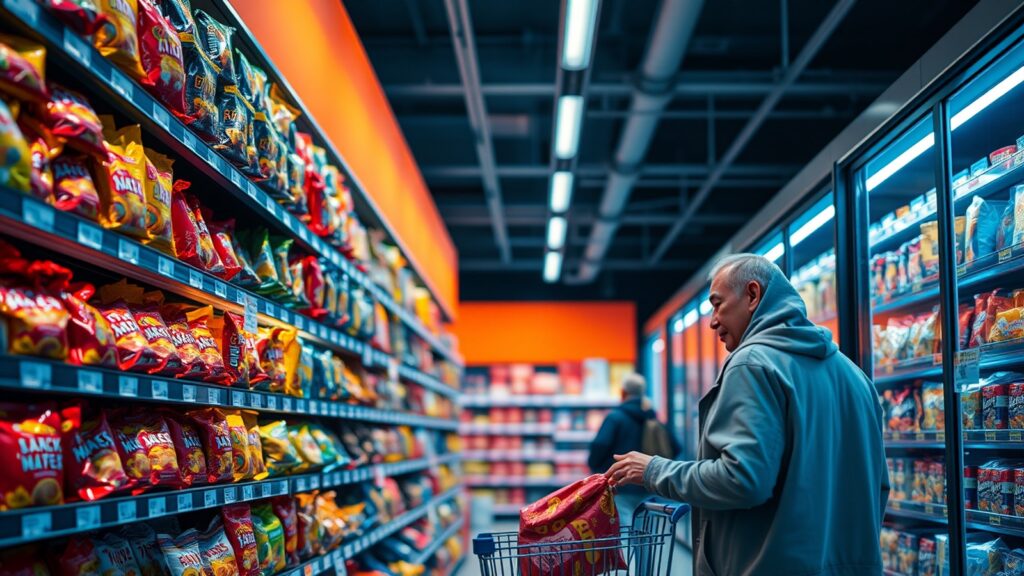
The Taiwanese-snack shelf in a Los Angeles Asian supermarket looks nothing like it did a decade ago — co-branding campaigns have pushed Taiwanese food into H Mart-class chains, and unboxing posts keep the buzz alive. So many makers’ first instinct is “let me pitch the store directly” — and the first phone call hits the wall: chain Asian supermarkets do not buy from brands. They buy from distributors.
The structure: distributors, not direct supply
Most goods in the US Asian-supermarket system flow through specialized import distributors: they act as importer of record, run their own warehouses and truck fleets, and supply hundreds of stores from one catalog — chains and independents alike order from them. Why direct supply fails structurally:
- Fragmented volume: one store’s per-SKU order is too small for the chain to open a vendor account over
- Terms and returns: US retail runs monthly terms, and slow sellers and expired stock return to the vendor — without a local team, nobody catches them
- The last mile: stores want goods consolidated into full trucks to stores or DCs — not cartons from Taiwan
The pragmatic road: make the distributor your customer and enter hundreds of stores through its catalog, surrendering one margin layer in exchange for collection, returns and delivery handled entirely by them.
The compliance pack: three items before taste
A distributor evaluating a new brand reads documents before flavors: FDA facility registration with Prior Notice discipline (the three gates); a compliant English label — allergens above all, sesame’s 2023 addition catching Taiwanese snacks constantly (the seven mistakes); and shelf-life headroom — snacks with twelve-month dating that spend two months in transit and clearance had better arrive with the remaining-life fraction the distributor’s receiving rule demands.
Shelf-life math decides your batch size
The forgotten variable: US retail enforces remaining-shelf-life floors at receiving, and the transpacific journey spends your calendar. Work it backward — dating, minus production-to-sailing days, minus ocean and clearance, minus the distributor’s floor — and what remains is your sellable window, which in turn caps how much one shipment should carry. Ship a year of stock in one container and the tail expires in the warehouse; ship too little and the freight share eats the margin. Most brands settle into a quarterly rhythm, tuned per SKU velocity.
Test cheap before you spend
Before slotting fees and distributor pitches, the market can be probed at almost no cost: the proxy-shopping crowd and online Asian grocers already signal which SKUs Americans reorder; a small consignment through a distributor’s trial program, or a booth at an Asian-food trade show, beats a container of guesses. Data from those channels is also your pitch deck when the distributor conversation turns serious.
Where SKYCARGO fits
SKYCARGO INC ships snack consignments from Taiwan into food-grade US warehousing and onward to distributor DCs — with the import chain and FDA filings in line. Tell us the SKUs and the target distributors; rates on request. (Personal snack shipments: Shiptw.)
Retail receiving rules and shelf-life floors vary by chain and distributor. Reference only.