

“We found an LA warehouse at a great price — can we move the frozen food in?” It is the question food clients open with most, and the answer is nearly always no: a warehouse that holds food is not qualified by owning freezers — it is itself a node on FDA’s regulatory chain.
Gate one: warehouses need FDA food facility registration too
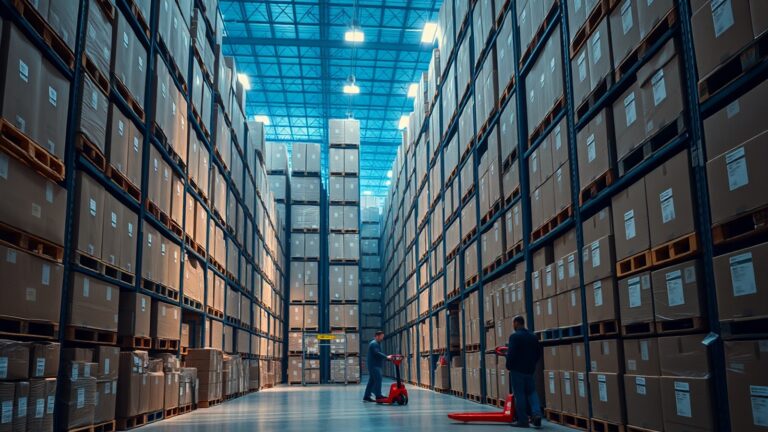
The most widespread misconception: “the warehouse only stores — no production, no processing — so no registration.” Wrong. FDA’s definition of a food facility covers manufacturing, processing, packing and holding — a warehouse that merely stores food is a food facility, required to register and renew on schedule. Put your goods in an unregistered warehouse and the compliance chain breaks at its last link; the export side’s facility registration, Prior Notice and FSVP cannot patch it. First question on any site visit: the registration number — verifiable against FDA’s system.
Three more gates: temperature, pests, traceability
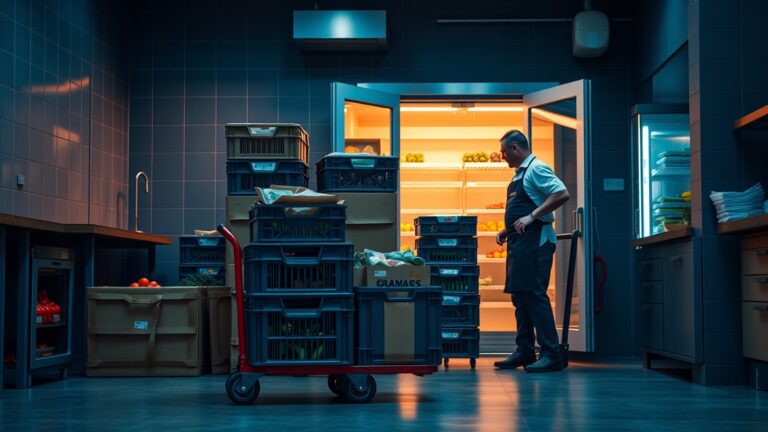
- Temperature records: not “has refrigeration” but continuous monitoring and records — sensor placement, retention, alarm thresholds and exception procedures, none optional; how record-keeping responsibility splits is covered in the cold-chain records article
- Pest control: a standing contract, bait-station maps and inspection logs — what FDA and third-party auditors check on arrival
- Lot traceability: lot numbers and expiry in the system, queryable to bin and outbound customer; FSMA 204 list items demand more — if the warehouse cannot hold its segment, a recall breaks on your link
Four temperature tiers: match the product, not “colder is better”
Ambient: shelf-stable dry goods, cans, beverages — but inland summer heat is unsafe for chocolate and fats. Climate-controlled: fixed bands for heat- and humidity-sensitive snacks, supplements, chocolate. Cooler: produce, dairy, certain sauces — follow the label. Freezer: frozen prepared foods, seafood, meat. The tier follows the product’s labeled storage condition; the wrong tier degrades quality exactly like a broken chain.
The 10-point site checklist
- FDA registration number — verifiable and current
- Target tier actually available (not “can be added”), with physical zoning
- Continuous monitoring: placement, retention, alarms and response SOP
- Pest-control contract and latest inspection log
- Lot and expiry management with FEFO support
- A live traceability test: lot to bin to outbound, in reasonable time
- Physical separation of food from chemicals and non-food cargo
- Cleaning schedules and records (floors, pallets, dock doors)
- Third-party audits or certifications (AIB, SQF) with latest results
- Insurance covering food cargo loss while in storage
The same cold chain from origin to shelf
SKYCARGO INC’s food and cold-chain service connects import clearance, registered warehousing and temperature-controlled delivery on one line. Tell us the product and its storage spec and we will map the chain end to end. (Personal food shipments: Shiptw.)
FDA registration and audit requirements follow current publications. Reference only.