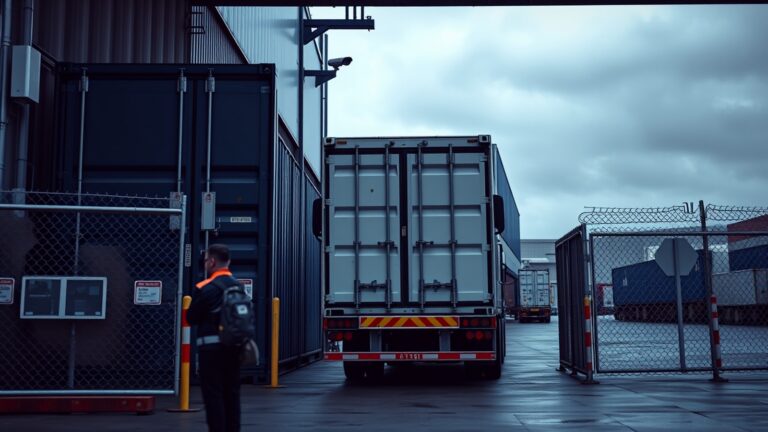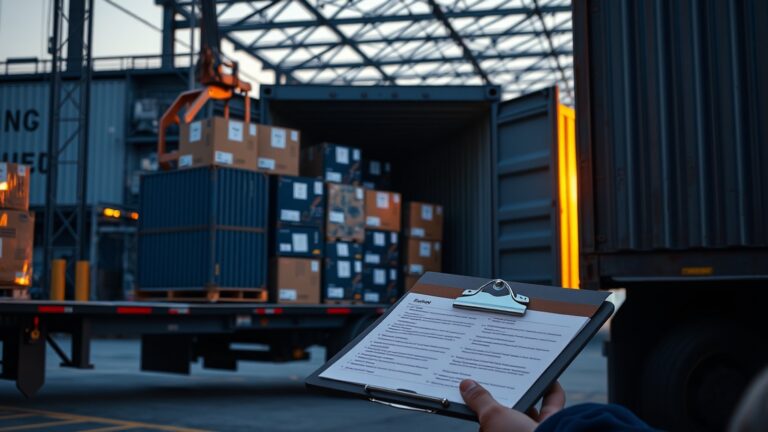

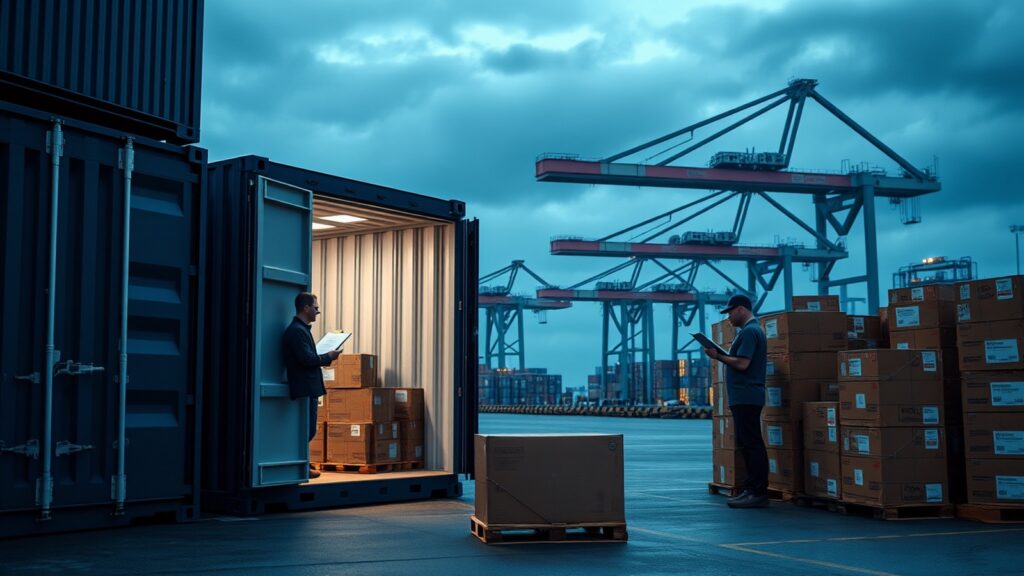
“My container got held by customs — is something wrong?” We field this call several times a year, and the answer is usually: nothing is wrong, you got selected. CBP exams are routine operations, not a presumption of guilt — but their time and cost structure shocks every first-timer, especially the part where the exam finds nothing and the bill still arrives.
Three tiers: from X-ray to full devanning
CBP exams run shallow to deep, and the deeper the tier, the longer the port stay:
- Non-intrusive inspection (X-ray / VACIS): the whole container passes through imaging without opening. The fastest tier — a clean image releases; an anomaly escalates
- Tailgate: the doors open for a visual check of the rearmost cargo and seals, usually right at the terminal
- Intensive: the container moves to an exam station (CES) and everything comes out — descriptions, quantities and markings checked against the entry, samples pulled if needed. The slowest and most expensive tier
The tiers are not a mandatory sequence; most selected containers release at tier one. But a tier-one doubt pushes cargo downward — so keeping image, documents and entry consistent is itself an accelerator.
The rule that matters most: the importer pays, even when nothing is wrong
Exam-generated costs — devanning, drayage, exam-station fees, storage, demurrage — all land on the importer, even when the exam clears completely. This is cost transfer, not a fine, so there is no “refund for a wrong exam.” A full intensive routinely costs far more than people guess, and the quote model should carry a line for the risk — one of the costs the named Importer of Record should think through in advance.
Who gets picked: four triggers
Selection runs on risk scoring plus randomness, and the algorithm is not public — but four groups visibly draw more attention:
- New importers: no filing history to score, so early entries get extra looks
- High-risk categories: food, agriculture, and goods adjacent to trade measures
- Filing anomalies: vague descriptions, value out of line with the category, late or inconsistent ISF
- Pure randomness: do everything right and you can still be picked — by design
Keep the lines separate: a CBP exam and an FDA detention are different tracks — the first checks security and declaration accuracy, the second enforces product regulation. Food cargo can hit both, with entirely different playbooks.
An exam is not an accusation: clean documents equal fast release
Being examined does not mean being suspected. What decides the port stay is whether things reconcile: invoice, packing list, bill of lading, entry data and the physical goods agreeing releases the cargo; disagreement sends it deeper. The cheapest insurance was never praying against selection — it is documents that can survive a devanning cross-check, every shipment, as routine.
Where SKYCARGO fits
SKYCARGO INC prepares for exams as a when, not an if: before shipping we verify the invoice, packing list and actual stuffing agree; when a container is selected we chase progress and work the window on your behalf, compressing the days. Exam-related disputes and petitions are case procedure — consult compliance counsel. B2B shipments, talk to us. (Personal parcels: Shiptw.)
Exam operations and cost structures follow current CBP practice and individual port operations. Reference only.