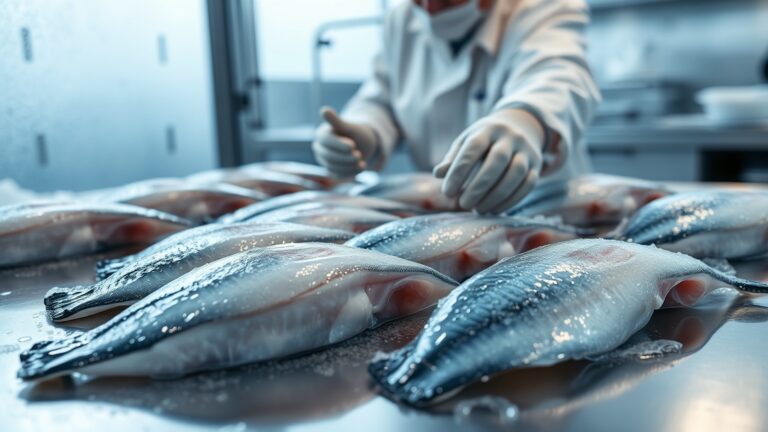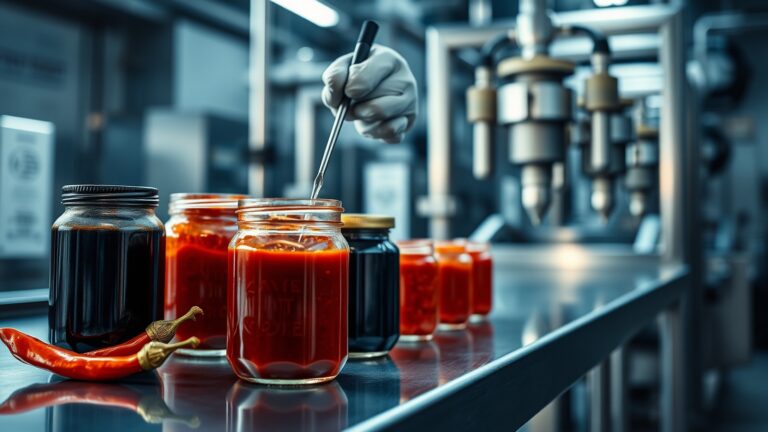

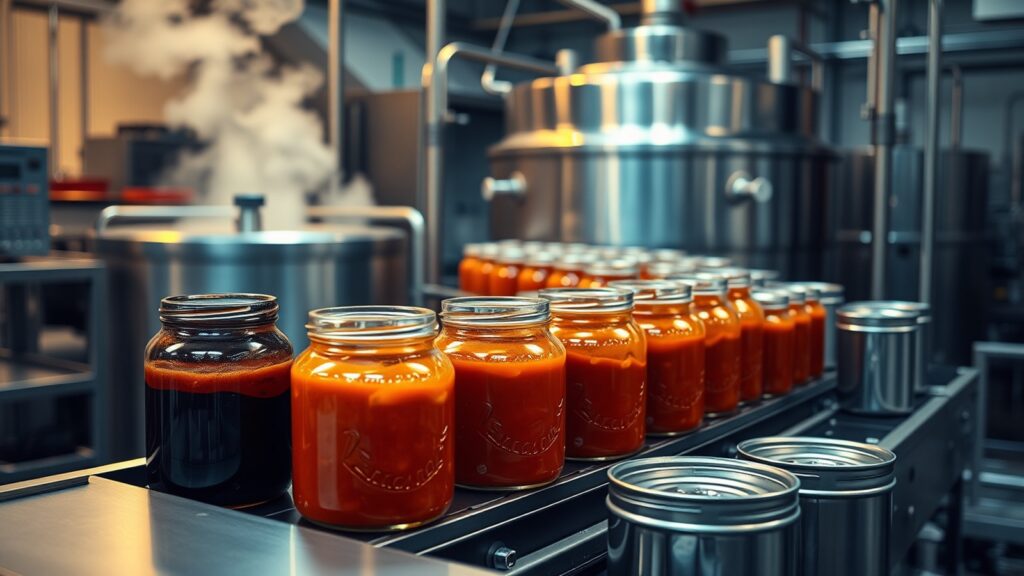
A chili-sauce factory had done everything they knew about: FDA facility registration, Prior Notice filed, English label finished. The shipment was still stopped at the port over an acronym they had never heard: no FCE number, no SID. The owner’s first reaction — “didn’t we already register?” What they had registered was the factory. What they had never registered was the sterilization process. This is a gate specific to canned and sauce products, it sits outside the usual three gates, and many filing agents never mention it.
Written by SKYCARGO INC, a US logistics company shipping between the US and Taiwan since 2014 and incorporated in the US in 2023, with warehouses in Oregon, Los Angeles and Taoyuan; it serves as an FDA U.S. Agent and can assist clients with USDA registrations and inquiries. More on this topic: US Food & FDA Compliance: The Complete Guide Index.
Which products are caught: the LACF and AF tracks
FDA runs a dedicated regime for shelf-stable food in hermetically sealed containers preserved by heat, in two tracks:
- Low-Acid Canned Foods (LACF): pH above 4.6 and water activity above 0.85, sealed and processed to commercial sterility. Under-processing in this class risks botulism, which is why FDA regulates down to the process level
- Acidified Foods (AF): naturally low-acid products brought below pH 4.6 by adding acid (vinegar, acid solutions, fermentation) — a separate registration and process-control track
The classification runs on measured pH and water activity, not intuition. Taiwanese categories that commonly get caught: sauces of every kind, canned goods, retort-pouch ready meals, pickled vegetables (mostly acidified foods), and coconut-milk products. If you make these for the US market, lab-test pH and water activity first — that is how you find out which track you are on.
FCE is the plant, SID is the process — and the counts differ wildly
- FCE (Food Canning Establishment): the plant’s registration number with FDA — one per factory, foreign factories included
- SID (Submission Identifier): the process filing number, counted as one per product × container type × sterilization process
That multiplication is the most underestimated part. One chili sauce in glass jars and in pouches is two SIDs. Add a canned pickled cucumber and that is another. Ten products in three container types can mean dozens of SIDs — each backed by a scheduled process established with a process authority. That takes lead time; it is not something you complete in the week before shipping.
Why your importer cannot file it for you
FCE and SID must be filed by the manufacturer itself (or its formally authorized agent). Importers and distributors cannot file on your behalf. The logic is direct: the party responsible for the kettle is the one who cooks the sauce, not the one who buys it. However willing your US buyer is, they cannot open this gate — if the Taiwanese factory does not move, the gate stays shut. This is where we have seen the most projects stall: everyone assumed the other side was handling it.
Pre-shipment checklist
- Measure pH and water activity; classify LACF / AF / neither
- If caught: does the factory hold an FCE number?
- Does every product × container × process combination have its SID?
- Is each scheduled process backed by a process authority?
- Do the FCE/SID on the customs paperwork match the actual goods?
How SKYCARGO takes it from there
SKYCARGO INC serves as an FDA U.S. Agent and can assist clients with USDA registrations and inquiries. The Importer of Record is normally you, as a non-resident importer; we help line up the paperwork, and entries are filed through our partner licensed customs broker. We act as Importer of Record for a client’s goods only under specific conditions; see Importer of Record duties explained. FCE/SID must legally come from the factory — we cannot file them for you — but we can gatekeep before shipping: confirm whether your category needs registration, align the documents with the customs entry, then coordinate US-side clearance through the broker, FDA examination and distribution. What the factory must do, we walk through with you; what the US side needs, we take over. Personal-use sauce and pickle shipments belong with Shiptw consolidation — this site serves B2B cargo.
Not sure whether your product is caught? Tell us the item and its packaging format and we will reply within one business day with the classification direction and document list.
This article summarizes FDA LACF and acidified-food requirements for reference only. Confirm specifics against current FDA publications and formal regulatory advice for individual cases.