Category Cross-border Logistics

How to Use a US Warehouse: The LA Port Warehouse + Oregon Tax-Free Warehouse Split, and the US Inventory Play for Taiwanese B2B

Almost every Chinese-language article about US warehouses is about Amazon FBA. What a Taiwanese B2B maker actually needs is "where the goods sit once they are in the US, and how they ship out." This article explains the roles of the port warehouse and the tax-free warehouse, the path one shipment takes from port to customer, the three costs a US warehouse removes, and at what scale US inventory starts to pay.
Sea, Air or FedEx? The Decision Matrix for Commercial Cargo from Taiwan to the US

The sea-versus-air comparisons online are written for personal parcels. Commercial cargo has different variables: weight brackets, delivery-window penalties, customs entry type, and the cost of capital sitting on the water. This article gives B2B shippers one decision matrix — what weight goes by express, when to consolidate, when a full container is actually cheaper — and how a mixed strategy is arranged.

Frozen food products held in an industrial freezer awaiting FDA inspection

Exporting Frozen Food to the US: FDA Product Classification, Why Meat Filling Hits FSIS, Listeria, and Temperature During Inspection

Frozen food exports to the US most often capsize in three places: the product code is filed as ambient, the filling contains meat and runs straight into FSIS, or a ready-to-eat product tests positive for Listeria. Following FDA and USDA rules, this article lays out how frozen products are classified, the no-go zone for meat, the microbiological focus and how temperature is handled during inspection — with GoodMall scallion pancakes as the example.

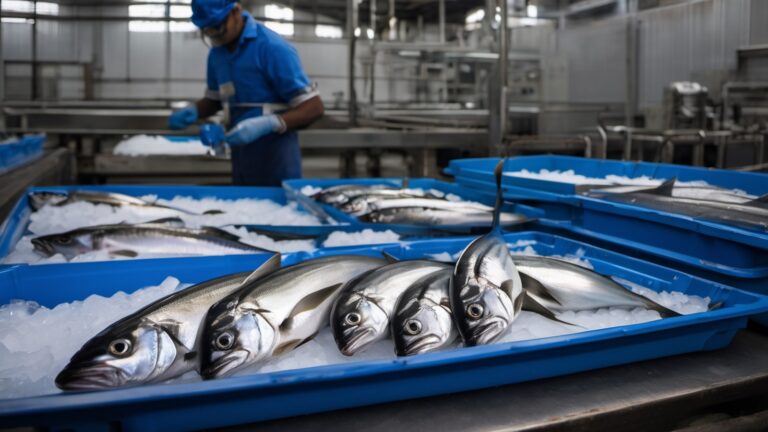
Iced fish in a Taiwanese seafood plant with HACCP temperature records being taken

Exporting Taiwanese Seafood to the US: What FDA Seafood HACCP (21 CFR 123) Requires, and How Taijiang Milkfish Got Through

Seafood is the only food category in the US with HACCP written directly into law: 21 CFR Part 123 requires every seafood processor selling into the US to have a HACCP plan, and the importer must verify it separately. This article explains in plain terms what the plan must contain, the four hazards FDA cares about most, how importer verification works, and walks through the Taijiang milkfish case.

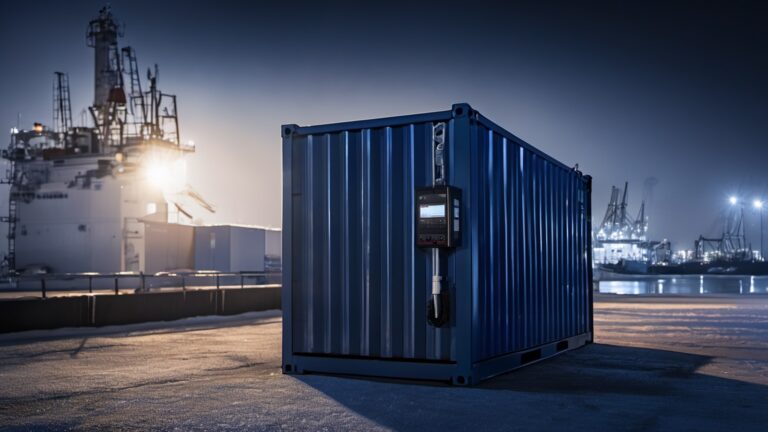
A reefer container on dock power with its temperature being logged during cold-chain transit

Cold-Chain Exports to the US: How Long to Keep Temperature Records, What FSVP Checks, and Who Is Responsible When the Chain Breaks at the Port

For cold-chain cargo exported to the US, temperature records are not for your own reference — they are the evidence FDA and the importer audit. Following the FSMA Sanitary Transportation rule, this article explains what the shipper, carrier and receiver are each responsible for, why records are kept for 12 months, how a broken chain is handled during inspection at the port, and how SKYCARGO takes over on the US side.