
Blog

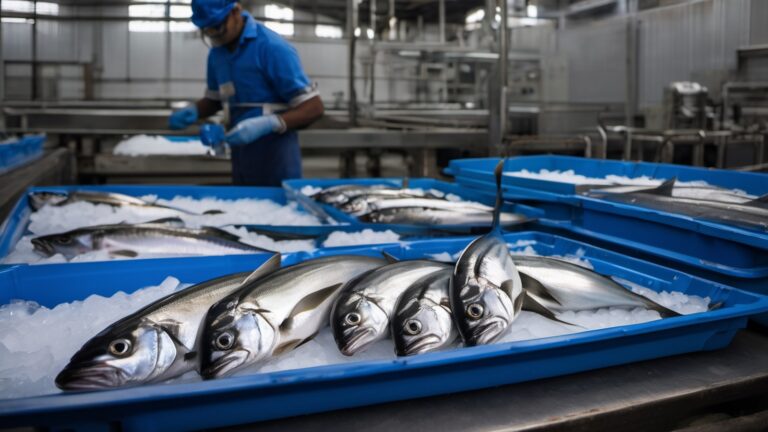
Iced fish in a Taiwanese seafood plant with HACCP temperature records being taken

Exporting Taiwanese Seafood to the US: What FDA Seafood HACCP (21 CFR 123) Requires, and How Taijiang Milkfish Got Through

Seafood is the only food category in the US with HACCP written directly into law: 21 CFR Part 123 requires every seafood processor selling into the US to have a HACCP plan, and the importer must verify it separately. This article explains in plain terms what the plan must contain, the four hazards FDA cares about most, how importer verification works, and walks through the Taijiang milkfish case.
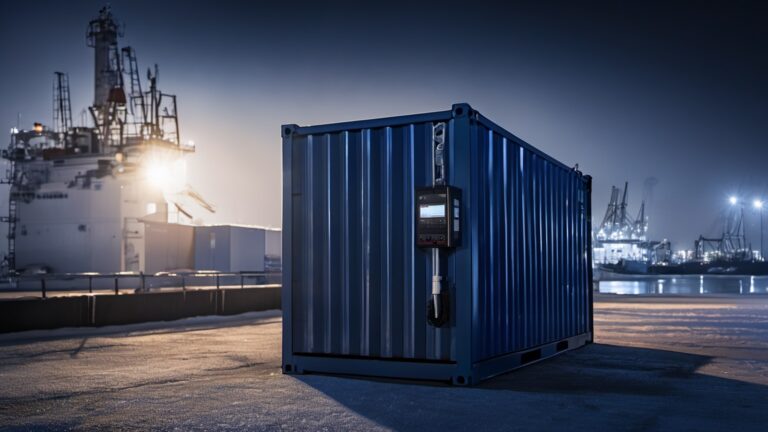

A reefer container on dock power with its temperature being logged during cold-chain transit

Cold-Chain Exports to the US: How Long to Keep Temperature Records, What FSVP Checks, and Who Is Responsible When the Chain Breaks at the Port

For cold-chain cargo exported to the US, temperature records are not for your own reference — they are the evidence FDA and the importer audit. Following the FSMA Sanitary Transportation rule, this article explains what the shipper, carrier and receiver are each responsible for, why records are kept for 12 months, how a broken chain is handled during inspection at the port, and how SKYCARGO takes over on the US side.