Category US Compliance

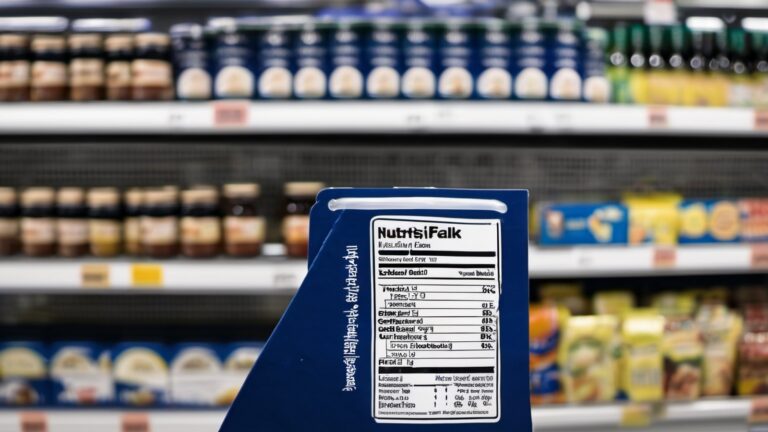
The Second Half of Getting Food into US Supermarkets: After FDA Comes the COI, UPC/GS1, W-9 and Slotting Fees the Channel Actually Wants

FDA compliance is only the entry ticket. What a US retail buyer actually reviews is a different stack of documents: the Certificate of Insurance for product liability, UPC barcodes properly licensed through GS1, the W-9 tax form, and whether you will pay a slotting fee. This article walks through the second-half paperwork of supermarket listing so you are ready before the buyer asks.

Importing Japanese Seafood into the US: What FDA Requires, How Toyosu Market Direct Shipping Works — SKYCARGO’s Actual Flow

Search in Chinese for how Japanese seafood enters the US and you find years-old nuclear-wastewater news, nothing useful. Following FDA seafood HACCP and import rules, this article covers the documents Japanese seafood needs, the parasite-freezing requirement for sashimi-grade fish, where radiation screening stands today, and the actual flow our group runs from Toyosu Market by air to the US and Taiwan.

Does a Taiwanese Company Need a US Entity? Two Roads into the US Market — Your Own Company vs an IOR Agent, With the Costs Side by Side

"Do we have to incorporate in the US before we can sell there?" For most Taiwanese SMEs the answer is: not yet. This article lays the two roads side by side — setting up your own US company versus appointing an IOR agent — across one-time costs, annual costs and hidden obligations, explains at what stage to switch from agent to entity, and how the hybrid arrangement works.

US→China and China→Taiwan, the Legal Way: Where Compliant Triangular Trade Ends and Illegal Transshipment Begins

Since the tariff war, goods between the US, China and Taiwan increasingly move in triangles — and US Customs has made origin-washing transshipment an enforcement priority, naming Taiwan a high-risk hub. This article draws the line between legal triangular trade and illegal transshipment: what determines origin, what substantial transformation means, what documents to keep, and how SKYCARGO runs its US→China and China→Taiwan lanes.

Signing a customs entry document as Importer of Record, with a container ship behind

Importer of Record (IOR) Explained: Duties, Entry Filing, the Customs Bond, and What a Taiwanese Exporter Should Look For in a US Importer

The Importer of Record is the party that answers to US Customs for everything: filing the entry, paying duties, holding a customs bond, keeping records for five years and bearing the penalties for false declarations. From the perspective of a Taiwanese B2B exporter, this article explains the boundaries of IOR responsibility, how a bond is purchased, who pays the 15% reciprocal tariff, and the difference between acting as a foreign IOR yourself and appointing a US company.

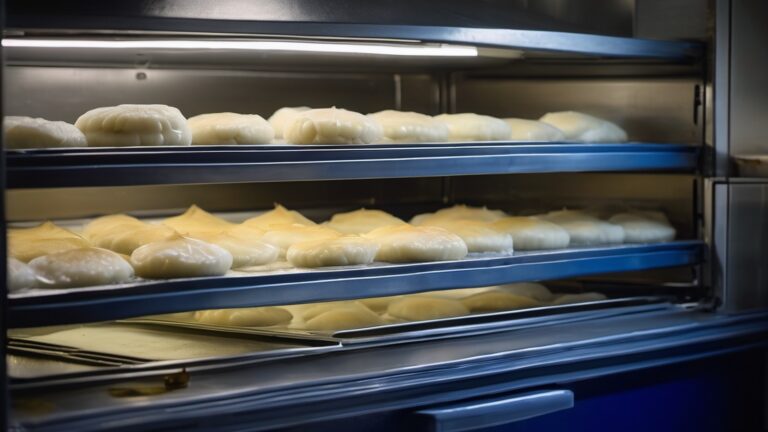
Frozen food products held in an industrial freezer awaiting FDA inspection

Exporting Frozen Food to the US: FDA Product Classification, Why Meat Filling Hits FSIS, Listeria, and Temperature During Inspection

Frozen food exports to the US most often capsize in three places: the product code is filed as ambient, the filling contains meat and runs straight into FSIS, or a ready-to-eat product tests positive for Listeria. Following FDA and USDA rules, this article lays out how frozen products are classified, the no-go zone for meat, the microbiological focus and how temperature is handled during inspection — with GoodMall scallion pancakes as the example.

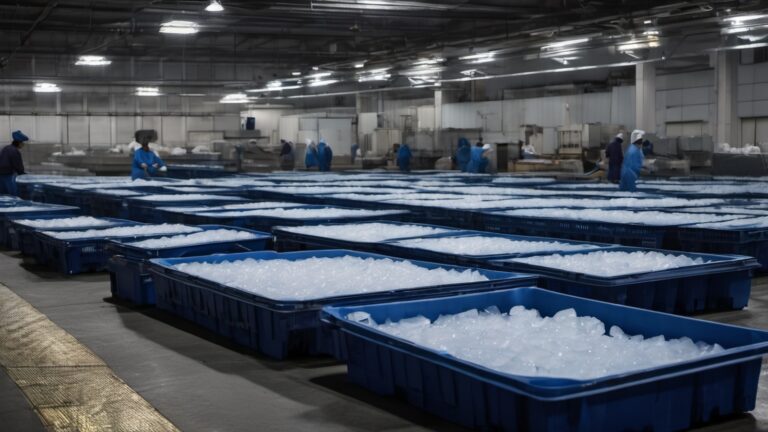
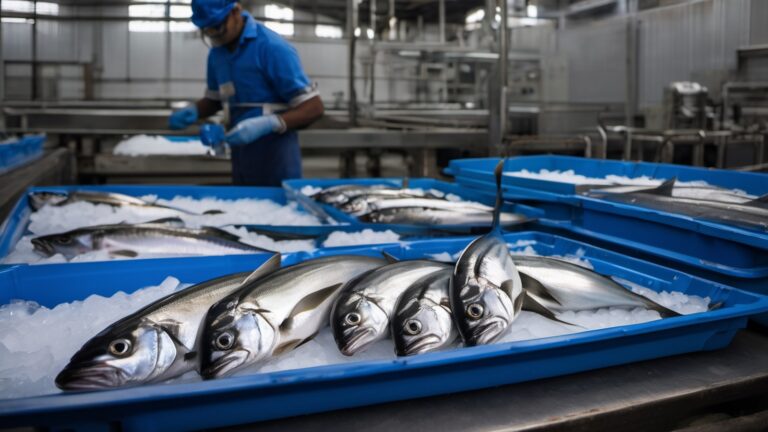
Iced fish in a Taiwanese seafood plant with HACCP temperature records being taken

Exporting Taiwanese Seafood to the US: What FDA Seafood HACCP (21 CFR 123) Requires, and How Taijiang Milkfish Got Through

Seafood is the only food category in the US with HACCP written directly into law: 21 CFR Part 123 requires every seafood processor selling into the US to have a HACCP plan, and the importer must verify it separately. This article explains in plain terms what the plan must contain, the four hazards FDA cares about most, how importer verification works, and walks through the Taijiang milkfish case.

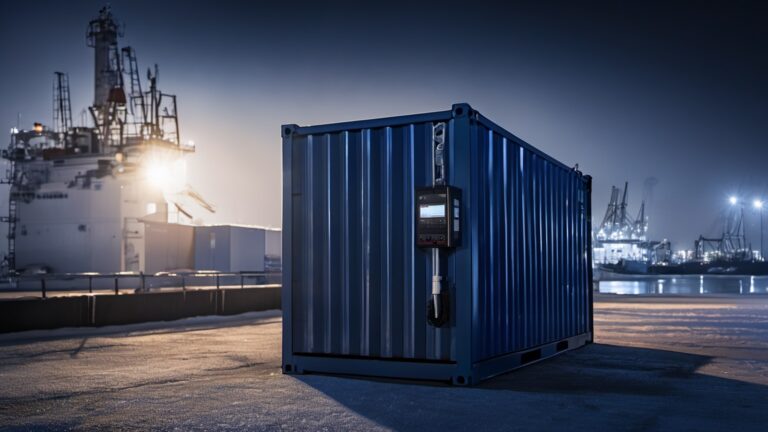
A reefer container on dock power with its temperature being logged during cold-chain transit

Cold-Chain Exports to the US: How Long to Keep Temperature Records, What FSVP Checks, and Who Is Responsible When the Chain Breaks at the Port

For cold-chain cargo exported to the US, temperature records are not for your own reference — they are the evidence FDA and the importer audit. Following the FSMA Sanitary Transportation rule, this article explains what the shipper, carrier and receiver are each responsible for, why records are kept for 12 months, how a broken chain is handled during inspection at the port, and how SKYCARGO takes over on the US side.